
\n
Last updated: May 27, 2026
\n
 \n
\n
\nImage: Art Institute of Chicago
\n
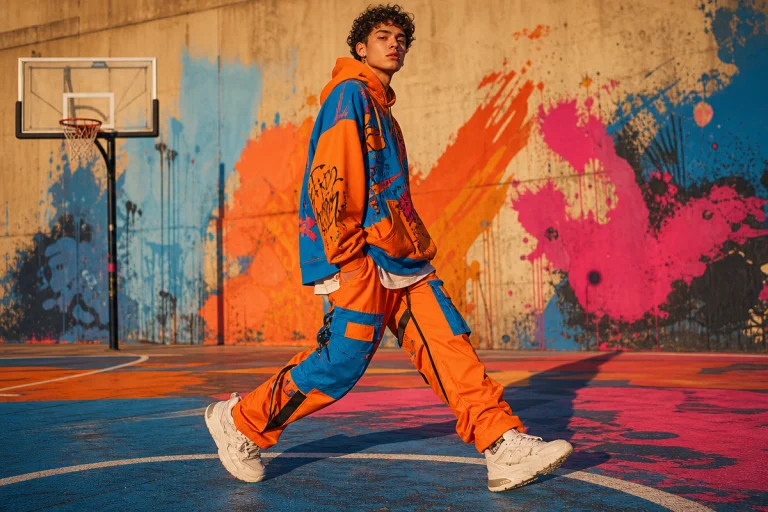
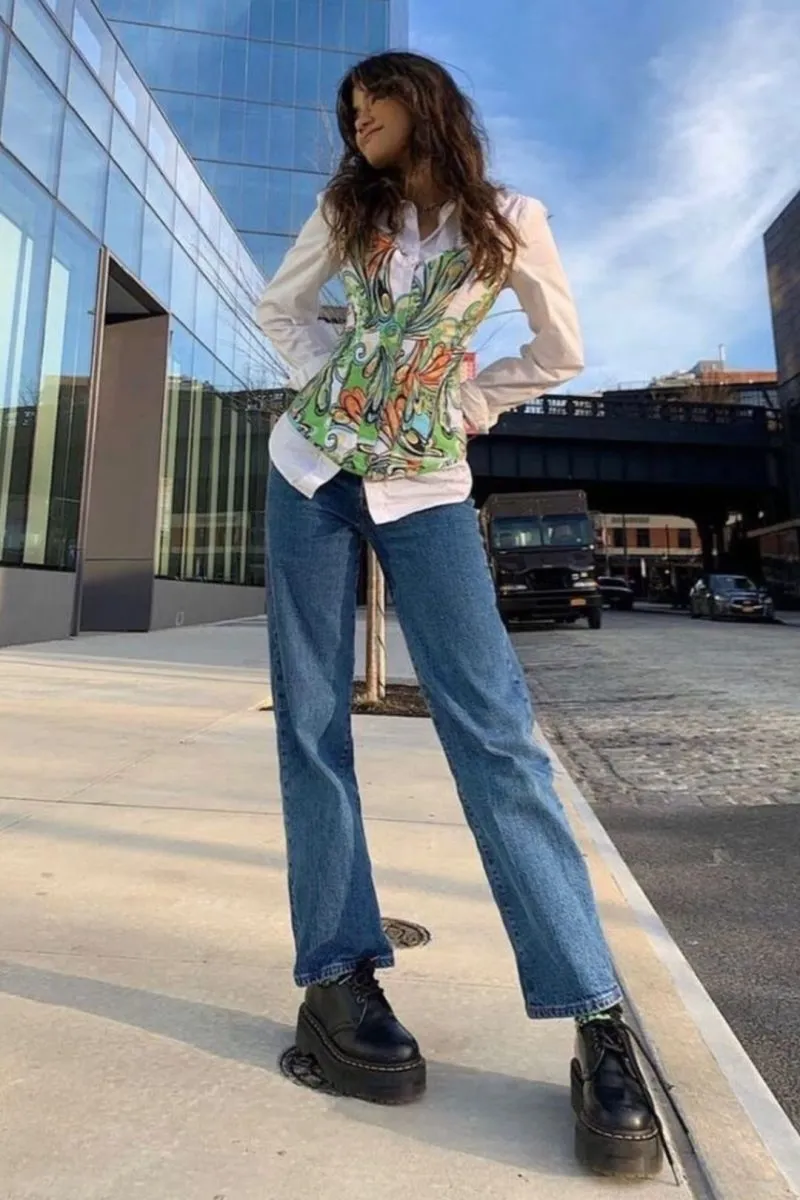
Scroll through anyone’s feed right now and you’ll clock it immediately: the streets are dressed in contradictions. Chunky trainers beneath tailored trousers. A vintage baseball cap atop a see-through mesh top. Denim stacked on denim, but make it elevated. This is streetwear in 2026 – and it has absolutely refused to behave.
\n
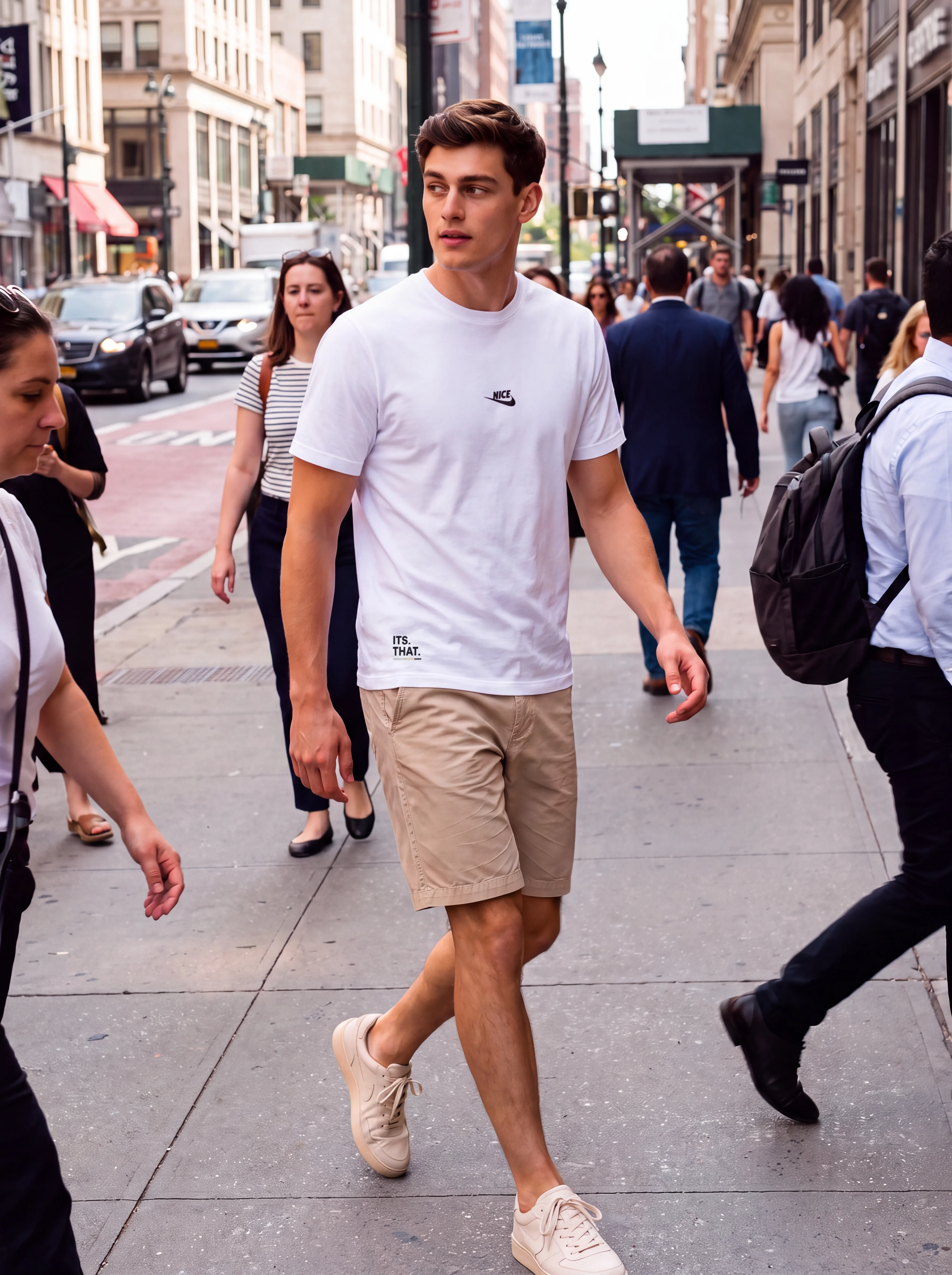
What’s striking is the sheer confidence of the styling. There’s no hedging, no “casual Friday” compromise. The graphic t-shirts for men driving oversized streetwear trends in 2026 are worn with the same conviction as the heeled sandals and mesh layers spotted on Hailey Bieber during her Seoul trip. High-low isn’t a styling trick anymore. It’s the whole language.
\n
How Streetwear Became Everyone’s Wardrobe
\n
\n
\nImage: Art Institute of Chicago
\n
Streetwear’s move from subcultural signal to mainstream category didn’t happen overnight – it accumulated slowly until retailers like Urban Outfitters could dedicate entire curated collections to the aesthetic and nobody batted an eyelid. The mainstreaming isn’t a sellout. It’s the natural endpoint of a decades-long process where skateparks, hip-hop, and Tokyo youth culture collapsed into a single, endlessly remixable visual vocabulary.
\n
What locked it in was the capsule wardrobe principle. Modern streetwear is built on versatility – a small, considered collection of pieces that flex across contexts without losing edge. A single pair of wide-leg denim that reads relaxed at a market and polished at a gallery opening, depending purely on what sits above the waistline.
\n
Korean street style, channelled globally through platforms like Stylevana, has accelerated this dramatically. It’s introduced a particular precision to Western streetwear: cleaner silhouettes, stronger layering architecture, and a willingness to let accessories do the heavy lifting. We’re seeing this in how Western retailers now curate – less maximalist stacking, more intentional restraint punctuated by one loud piece. The design translation for a tee? A single oversized Korean-style logotype – clean, condensed, placed low on the chest – in a faded sage or dusty clay colourway. No illustration. No clutter. The restraint is the statement.
\n
The Comeback You Didn’t See Coming
\n
Here’s the turn nobody predicted: chunky is back, and it’s not apologetic. Oversized aesthetics – previously dismissed as peak-pandemic excess – are returning across clothing, accessories, and even hair. But this time they’re landing differently. Where the previous wave felt like comfort-dressing disguised as fashion, the current iteration is deliberate. Think Balenciaga-era maximalism filtered through a Y2K nostalgia lens, arriving with sharper edges and clearer intent.
\n
The accessory story is where it gets genuinely interesting. Minimalist heeled flip-flops have emerged as a real crossover piece – bridging casual and dressy in exactly the way chunky trainers did a decade ago. Think Birkenstock meets Bottega, arriving in matte neutrals and unexpected metallics. The tension – casual silhouette, elevated heel, stripped-back design – is a microcosm of the whole moment.
\n
For tee design, the chunky revival is a typography brief as much as a clothing trend. We want bold, condensed sans-serif lettering with exaggerated weight – the kind of type that looks like it was pulled from a 1994 sports programme or an old European league jersey. Pair that with deliberate imperfection: slightly misaligned registration, a cracked ink texture, or one colour printed slightly off-axis. That’s the energy. Look at t-shirt design trends across Canada in 2026 and you’ll find the same pattern: weight, scale, and deliberate imperfection are winning combinations.
\n
The concrete brief: A heavy condensed sans – something in the Bebas Neue or Aktiv Grotesk Extended family – set at 90pt, all-caps, running the full width of the chest. One word. Maximum. Colourway: off-white on washed black, or rust on natural. That’s a sellable tee right now.
\n
Collaborations Are Writing the Cultural Brief
\n
The most important thing happening in streetwear right now isn’t a silhouette or a colourway. It’s the collaborations – specifically, who is choosing to speak to whom through clothing. The U.S. Soccer x DC Comics “Justice League: Heroes of the Pitch” collection, timed for the 2026 FIFA World Cup, is the perfect case study. Sport meets comic-book mythology meets football’s biggest global moment. Three separate cultural currencies, fused into a single wearable object.
\n
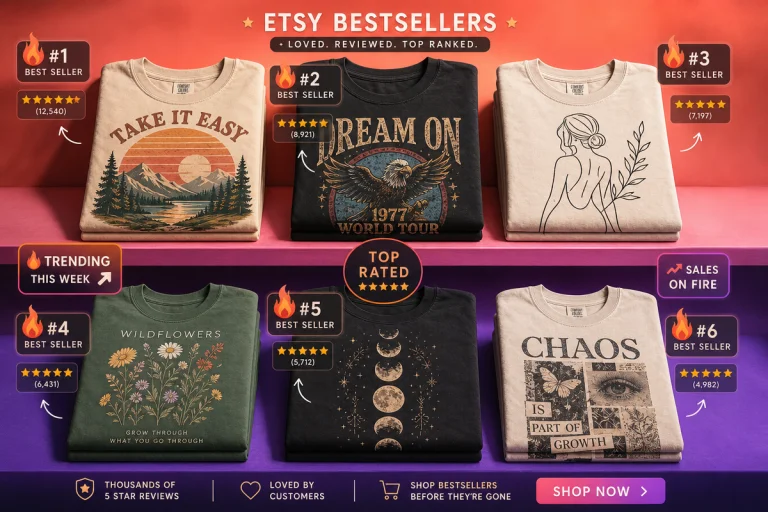
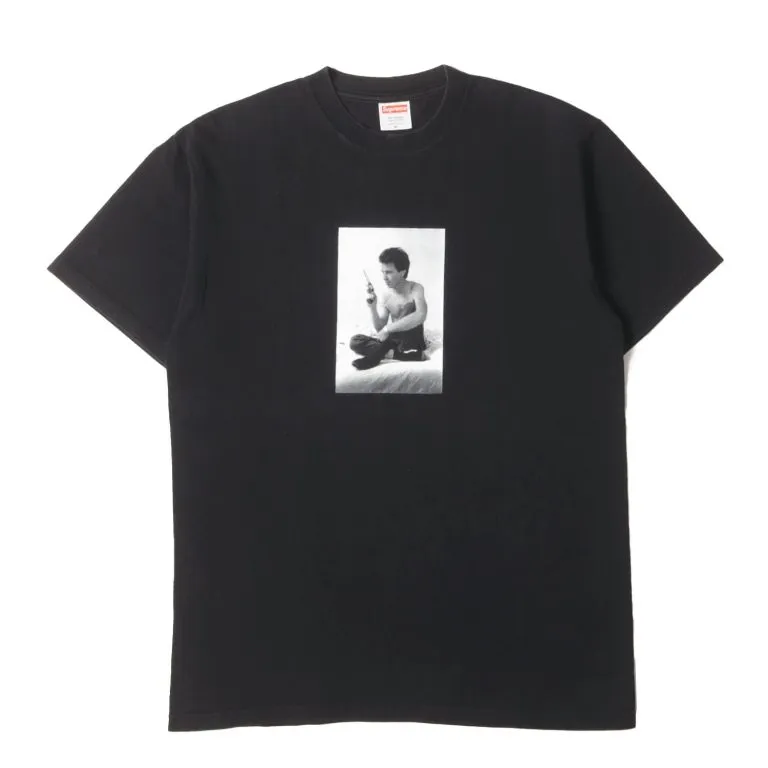
The best streetwear collabs in 2026 don’t feel like brand exercises – they feel like cultural arguments. And that’s precisely the design territory we should be working in. The most resonant graphic tees right now feel like they could be an unofficial collab piece. Bootleg logo treatment applied to an unexpected cultural pairing. A sports crest rendered in the visual language of an old punk band shirt. The vintage aesthetic energy available through platforms like Etsy feeding directly into original graphic work that reads as found rather than manufactured.
\n
Here’s where we get specific about the executions:
\n
Faux sponsor graphics. Take the visual language of a motorsport team shirt – tyre brand logos, grid numbers, sponsor stacking – and apply it to something deliberately mundane. Think: “Official Supplier of Bad Decisions” in corporate sans-serif, formatted exactly like a real sponsorship hierarchy. The joke is the format, not the words.
\n
Bootleg crest layouts. A circular or shield crest treatment – the kind you’d find on a non-league football shirt or a regional cycling club – but built from unexpected cultural references. A music scene and a food scene from the same postcode. A corner shop rendered with the heraldic gravity of a Premiership badge. This is the mash-up formula that’s moving units.
\n
Luxury auto meets corner-store merch. This is the direct translation of the Hailey Bieber Mercedes cap moment. Take the visual identity of something premium and automotive – the typeface, the badge shape, the restrained colourway – and apply it to a piece of merch that could plausibly have come from a service-station spinner rack. The comedy and the cultural commentary live in the gap between those two registers.
\n
Colour-wise, the palette is running in two directions simultaneously. On one side: washed neutrals, faded ochres, dusty sage – the tonal restraint of Korean-influenced minimalism. On the other: saturated primaries and high-contrast black-and-white, the visual language of sports graphics and comic-book illustration. The most interesting design territory sits at the intersection – a vintage sports graphic in a faded colourway, or a bold typographic tee in an unexpected muted tone. We’re calling this the contrast-pair mashup: pick two aesthetic registers that have no business being on the same shirt, then execute the combination with enough precision that it feels inevitable.
\n
What This Means for Print-On-Demand
\n
The streetwear moment of 2026 is genuinely generous for independent designers. The trends are specific enough to design toward but broad enough that there’s real room to move within them. We’re not chasing a single silhouette or a single reference. We’re working a sensibility.
\n
The five design directions worth building around right now:
\n
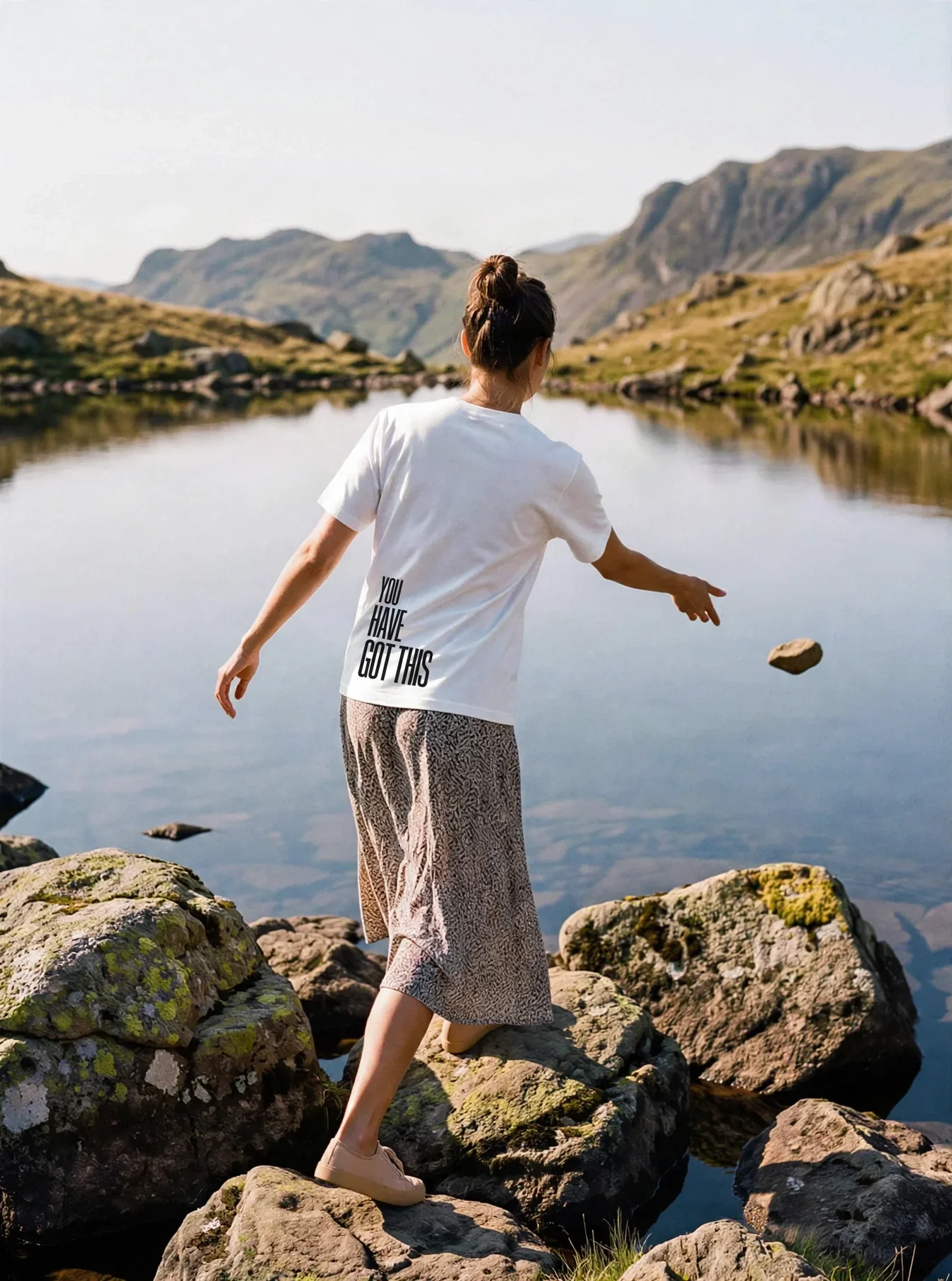
Bold condensed sans text tees. Single word or short phrase. Maximum weight, maximum scale. Colourways in washed neutrals or high-contrast black-and-white. The typographic execution is the whole design – don’t decorate it.
\n
Faux-collab graphics. Two things that culturally shouldn’t meet, formatted as if they officially did. The visual language of a licenced collab applied to an unlicensed (and original) pairing. Corporate rigour, absurdist content.
\n
Bootleg crest layouts. Shield or circular badge formats lifted from sportswear heritage and populated with new cultural content. Micro-community references, local scene shout-outs, niche obsessions rendered with the visual authority of an established institution.
\n
Washed vintage palettes on modern graphics. Don’t design vintage-looking graphics. Design modern graphics, then process the colourway until they feel like they’ve been through forty washes. Rust, sage, dusty clay, faded cobalt. The colour does the ageing; the graphic can stay sharp.
\n
Contrast-pair mashups. Luxury auto meets corner-store merch. Fine-dining typography applied to slang. These work because the format signals one register and the content delivers another. Pick the registers carefully and the humour writes itself.
\n
The audience wearing this stuff in 2026 is sophisticated enough to know the difference between a design that understands the culture and one that’s just wearing its clothes. We’re aiming for the former – always.
\n
Back to Hailey Bieber and that Mercedes Benz cap in Seoul. The reason that image landed – across every streetwear feed worth following – is that it felt genuinely considered, not performed. A luxury automotive logo repurposed as casual headwear, worn with an elevated-casual outfit in one of the world’s most fashion-forward cities. It’s the whole 2026 streetwear brief in a single photograph: precision, contradiction, cultural fluency, and just enough absurdity to make it memorable. That’s the target. Now let’s design toward it.
\n
Source: https://www.urbanoutfitters.com/streetwear-outfits-curation?msockid=3f0f3ae2abe360bd05d22dbbaa4d61f1
\n
This article was researched and written with AI assistance, then reviewed for accuracy and quality. Maya at Its.That. uses AI tools to help produce content faster while maintaining editorial standards.
\n