

\n
Last updated: May 11, 2026
\n
\n
\nImage: Shopify
\n
The feeds don’t lie. Right now, every other post out of London, Lagos, and LA is somebody rocking a heavyweight tee with a tonal embroidered crest on the chest, or carrying a mug with a distorted logo treatment that looks like it fell out of a 1994 band merch box. The aesthetic is dense, referential, and – crucially – shoppable within thirty seconds of seeing it. This is the moment we’ve been waiting for. And the smartest streetwear operators are not sitting on stock waiting for it to move. They’re running print-on-demand products and banking the difference.
\n
The global print-on-demand sector was valued at $10.21 billion in 2024 and is projected to hit $102.99 billion by 2034. That tenfold expansion is driven by one thing: people want objects that feel made for them. That appetite has turned a fulfilment workaround into a proper creative economy.
\n
The Colour Palettes and Type Styles Running 2026
\n
\n
\nImage: Shopify
\n
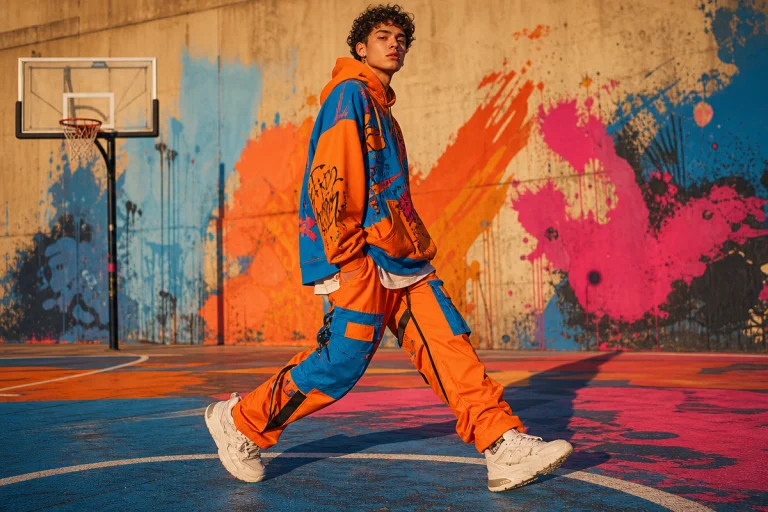
Before we get into products, let’s talk about what’s actually moving on the grid. The Spring/Summer 2026 colour story is split between two distinct registers – and both translate directly to POD.
\n
On one side: muted, slightly desaturated tones. Slate-blue. Faded terracotta. Washed sage. Off-white that reads almost grey in certain light. Think the palette of a secondhand shop in Hackney – nothing is bright, everything is worn-in. These are the colours landing on the heaviest tees right now, ink on fabric that looks like it’s already been through a hundred washes before the customer’s even opened the package.
\n
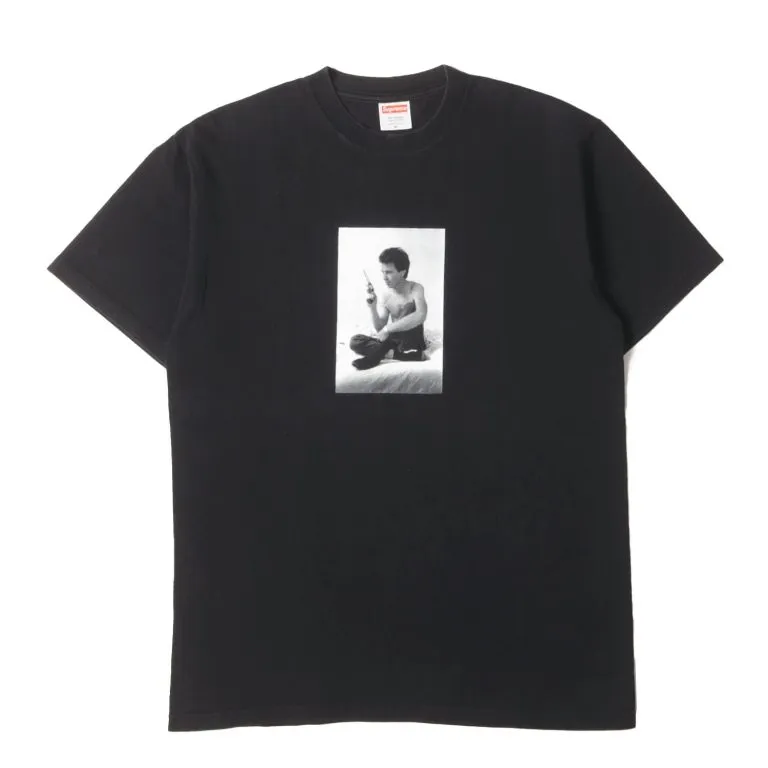
On the other side: high-contrast graphic work making a hard return. Bold red-and-black. Bleached canvas with stark black type. Bone-white on deep navy. The visual logic is bootleg – deliberately reproduced, distorted, offset. Think Supreme circa 2002 meeting a Xeroxed concert flyer from 1989.
\n
Typography is where the real movement is. Condensed serifs – pulled off old varsity programmes or mid-century newspaper mastheads – are running the collegiate trend hard. Stack them vertically, distort the tracking, let the letterforms crowd each other. Then there’s the opposing pull: clean, blunt all-caps sans-serifs set at a size that shouldn’t fit on a tee but somehow does. Think the text-as-image approach of early Cactus Plant Flea Market, or a lo-fi label out of east London. Both work. Both print beautifully. The muted teal-on-slate combinations we’re seeing from Toronto and London streetwear accounts – soft contrast, near-tonal – are particularly strong for caps and crewneck chest hits.
\n
TikTok has handed us a brief we’d be foolish to ignore: the custom bootleg rap tee is having its biggest cultural moment since the early 2000s. Custom photo collage shirts, friend-group bootleg designs, “your bootleg idea here” templates going viral on TikTok Shop – the appetite for personalised graphic tees built on vintage rap-tee logic is enormous right now. The bootleg graphic treatment that drives those saves is almost an explicit design brief: distressed photo collage, deliberately degraded type, a release year that may or may not be real.
\n
How Print-on-Demand Became the Streetwear Designer’s Quiet Weapon
\n
Five years ago, POD felt like the compromise option – you chose it because you couldn’t afford a run of blanks. That framing is dead. Major platforms now operate fulfilment centres across North America, Europe, and Asia-Pacific. A customer in Berlin orders on a Tuesday, a facility thirty minutes from them prints and ships it Wednesday. You never touch the package. Because products are only produced after a customer places an order, working capital stays in your pocket instead of sitting in a warehouse. Think of it like a restaurant that only sources ingredients once a table orders, rather than buying a week’s worth of perishables upfront. The risk profile changes completely.
\n
What most designers still haven’t clocked is how far the product catalogue has stretched. The conversation used to begin and end with tees. Now it runs through home décor, drinkware, tote bags, stationery, phone cases, and pet products. Home décor alone is projected to expand at a 27% compound annual growth rate through 2030 according to Mordor Intelligence – the fastest-growing category in the entire POD ecosystem. That’s not a footnote. That’s a product roadmap.
\n
The Products Streetwear Designers Should Actually Be Pushing in 2026
\n
Here’s the core tension worth naming: the streetwear canon has always fetishised the physical object. The weight of the fabric, the hand-feel of the print, the way a tee drapes. POD can meet that standard now if you choose the right products and decoration methods – and in 2026, the decoration story is all about embroidery. Oversized collegiate logos, tonal puff embroidery stitched into the chest of a washed black crewneck, arch lettering pulled from a 1970s varsity jacket – this is what’s moving. It aligns perfectly with streetwear fashion trends in 2026 that are leaning hard into heritage references and tactile finishes over flat digital prints.
\n
For wearables, the strongest POD plays right now are:
\n
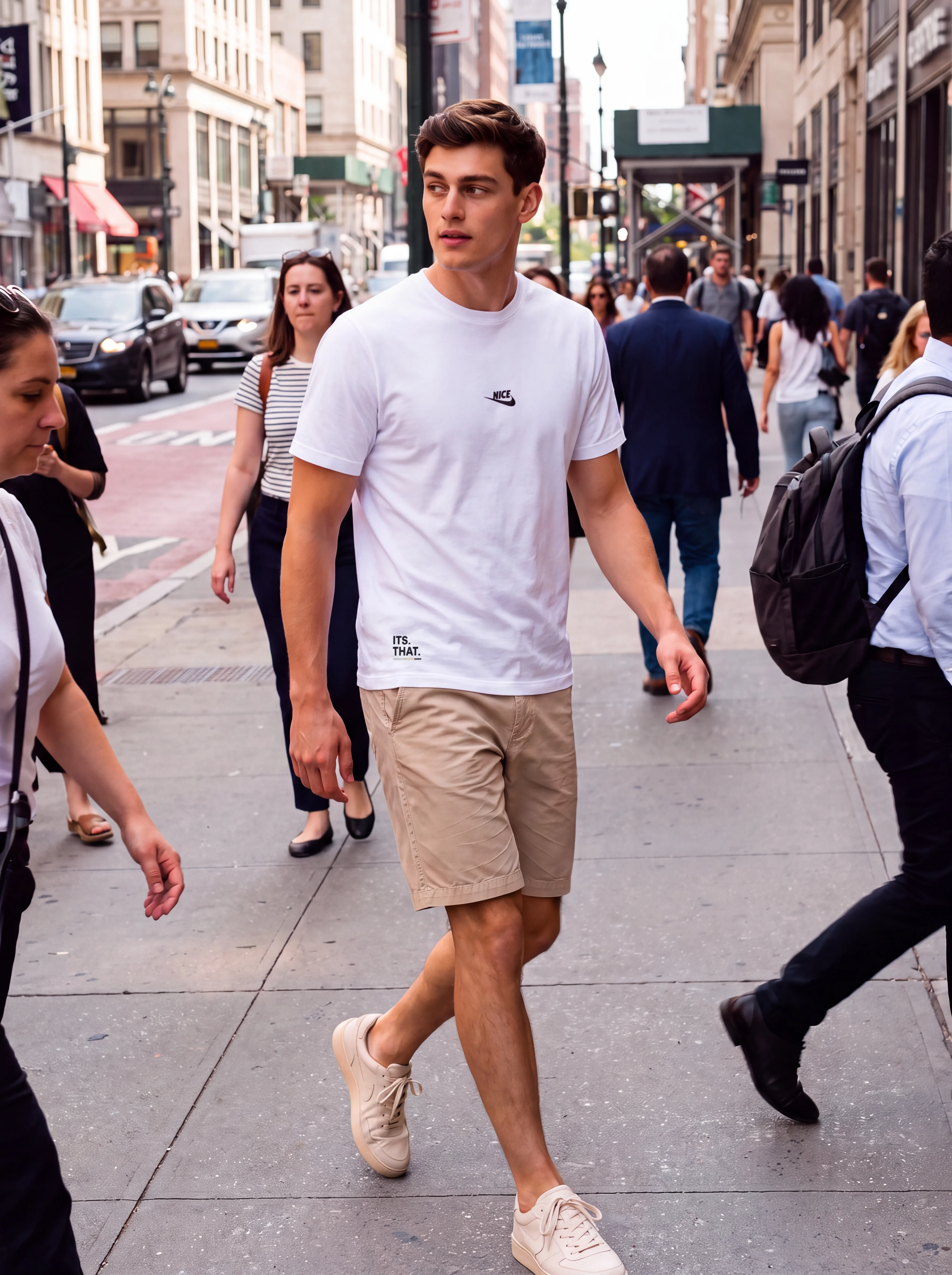
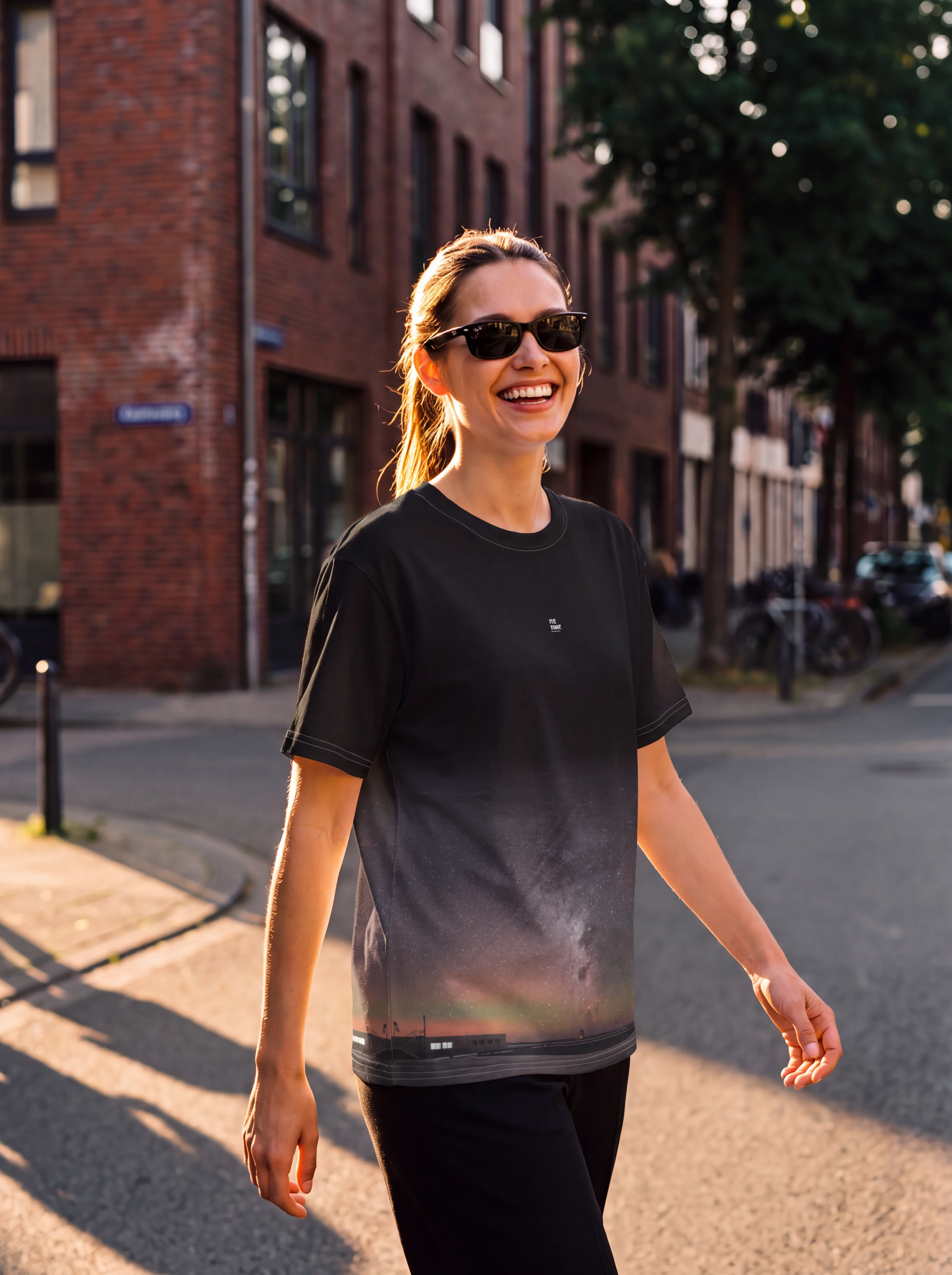
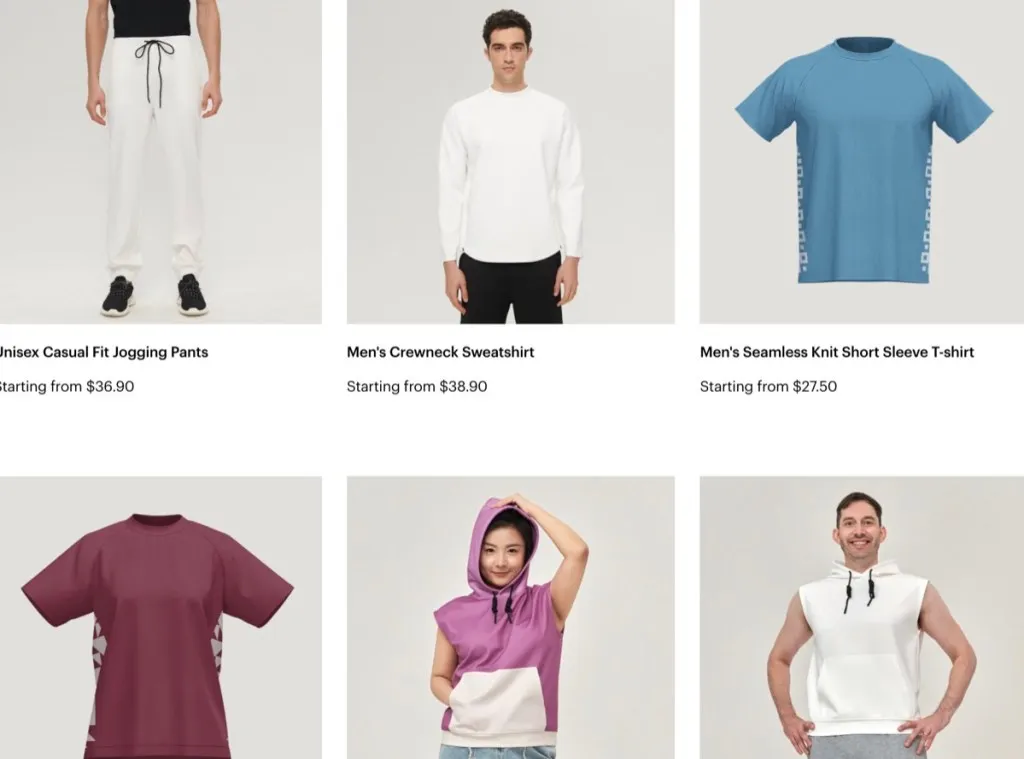
Heavyweight tees and oversized crewnecks. The silhouette is wide, the weight is high. Design direction: a slate-blue washed blank with a condensed serif collegiate arch across the chest, off-white ink, tracking deliberately tight – think a 1974 university sporting programme reprinted in 2026. Or flip it entirely: bone-white tee, stark black all-caps sans-serif, single invented institution name set so large the letterforms crowd the hem. Think Corteiz meets a Hackney record shop receipt. For minimalist symbolic approaches, a single abstract glyph centred on a washed chest – Supreme’s box-logo logic applied to your own invented mythology – still converts.
\n
Dad caps and structured five-panels. Embroidered logos, tonal-on-tonal palettes – off-white on cream, black on black, muted teal on slate-blue. The anti-flash aesthetic is running everything right now. Design direction: a small embroidered arch logo, three words maximum, sitting an inch below the crown seam. No sublimation, no loud fill colours. The whole garment whispers.
\n
Tote bags as brand artefacts. Not a utility item – a canvas. Think Comme des Garçons meets a corner shop from a city that doesn’t exist. Bold sans-serif text, bootleg logo treatment, a deliberately lo-fi graphic that looks like it was scanned from a 1991 zine. The palette can go louder here: muted terracotta ink on natural canvas, or washed red on black. A well-designed tote gets photographed at a rate that far exceeds its price point.
\n
Poster prints and wall art. This is where the home décor CAGR argument becomes real money. A customer who buys your tee might also want a 50x70cm risograph-style print for their flat. Same design universe, completely different product category, zero additional design work if you’ve already built the visual language. Think a distressed tour-date poster for a band that never existed, or a condensed serif type composition that reads like an unreleased album cover. Price it at £28 and watch it convert.
\n
Embroidered patches and accessories. Small-ticket items that work as conversion entry points. Low barrier to purchase, high margin potential, strong repeat-buy rate. Isolated logomarks, detailed enough to reward a close look, small enough for a lapel or a tote strap.
\n
Engineering Your Prices Before You Launch
\n
This is where most streetwear POD operations quietly fail. Research from Merch Titans is direct: most sellers leave 30-50% of potential profit on the table by guessing prices rather than working from formulas that account for base costs, platform fees, and market positioning. The sellers consistently clearing $5,000+ monthly are not the ones competing on price – they’re engineering price to maximise profit per sale while holding conversion rates.
\n
The logic is counterintuitive until it isn’t. Streetwear has always operated on perceived value. A £95 hoodie communicates something a £35 hoodie cannot, even if the blank is identical. Price is brand signal before it’s arithmetic. Build your pricing structure like you’re setting the cultural register of the label, not just covering costs.
\n
Back to those feeds. The person posting in the oversized embroidered crewneck, the one with fifty thousand saves – they didn’t get there by guessing. They built a visual system, chose a palette that read honest on camera, set their type with intent, dropped it across the right products, priced it with confidence, and let global fulfilment do the logistics. The infrastructure is there. The appetite is there. The only question is whether your designs are ready to meet it.
\n
Frequently Asked Questions
\n
Q: What are the best print-on-demand products for streetwear designers in 2026?\nA: Heavyweight tees, oversized crewnecks, embroidered dad caps, tote bags, and poster prints are the strongest POD products for streetwear brands right now. Embroidery – particularly oversized collegiate logos and tonal puff work – is one of the most in-demand decoration methods this year.
\n
Q: Is print-on-demand profitable for streetwear brands?\nA: Yes, when pricing is engineered rather than guessed. Sellers earning $5,000+ per month from POD focus on maximising profit per sale rather than competing on low prices. Most sellers leave 30-50% of potential profit on the table through under-pricing.
\n
Q: Do I need to hold stock to sell print-on-demand products?\nA: No. With POD, products are only manufactured after a customer places an order. This eliminates inventory risk and upfront capital costs entirely, with fulfilment centres handling printing and shipping globally.
\n
Q: What POD product categories are growing fastest?\nA: Home décor is the fastest-growing POD category, projected to expand at a 27% CAGR through 2030. For streetwear brands, this means wall art and poster prints are a natural expansion beyond apparel using existing graphic assets.
\n
Q: What colour palettes are trending in streetwear POD for 2026?\nA: Two registers are running simultaneously: muted, desaturated tones – slate-blue, washed sage, faded terracotta – for the vintage-worn aesthetic, and high-contrast bootleg palettes (bone-white on navy, red-and-black) for the graphic street look. Tonal-on-tonal embroidery combinations are particularly strong for caps and crewnecks.
\n
Q: How big is the print-on-demand market?\nA: The global POD market was valued at $10.21 billion in 2024 and is projected to reach $102.99 billion by 2034 – a tenfold increase driven by consumer demand for personalised products.
\n
Source: https://www.shopify.com/blog/print-on-demand-products
\n
This article was researched and written with AI assistance, then reviewed for accuracy and quality. Maya at Its.That. uses AI tools to help produce content faster while maintaining editorial standards.
\n