Last updated: April 23, 2026
The most coveted t-shirt at any given streetwear market right now probably wasn’t designed by a fashion house. It was made by someone in a home studio, assembled from bootleg-era references, and sold through a print-on-demand storefront before the week was out. The bootleg t-shirt design economy has quietly become one of the most productive corners of independent fashion – and the numbers are starting to show it.
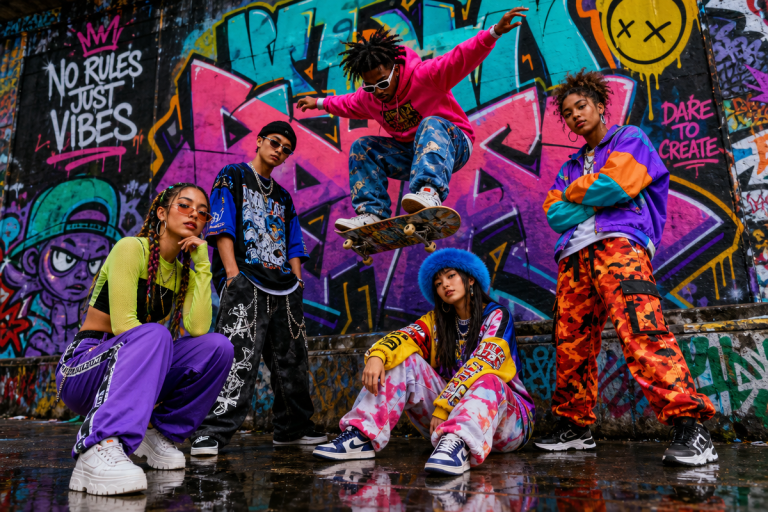
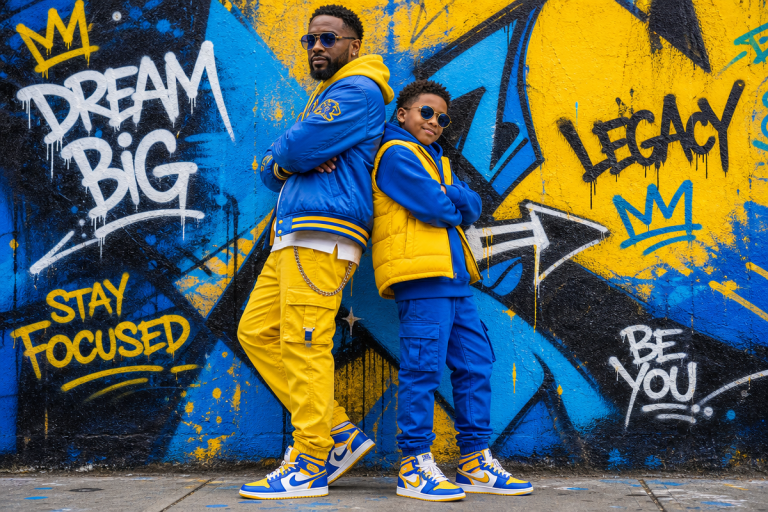
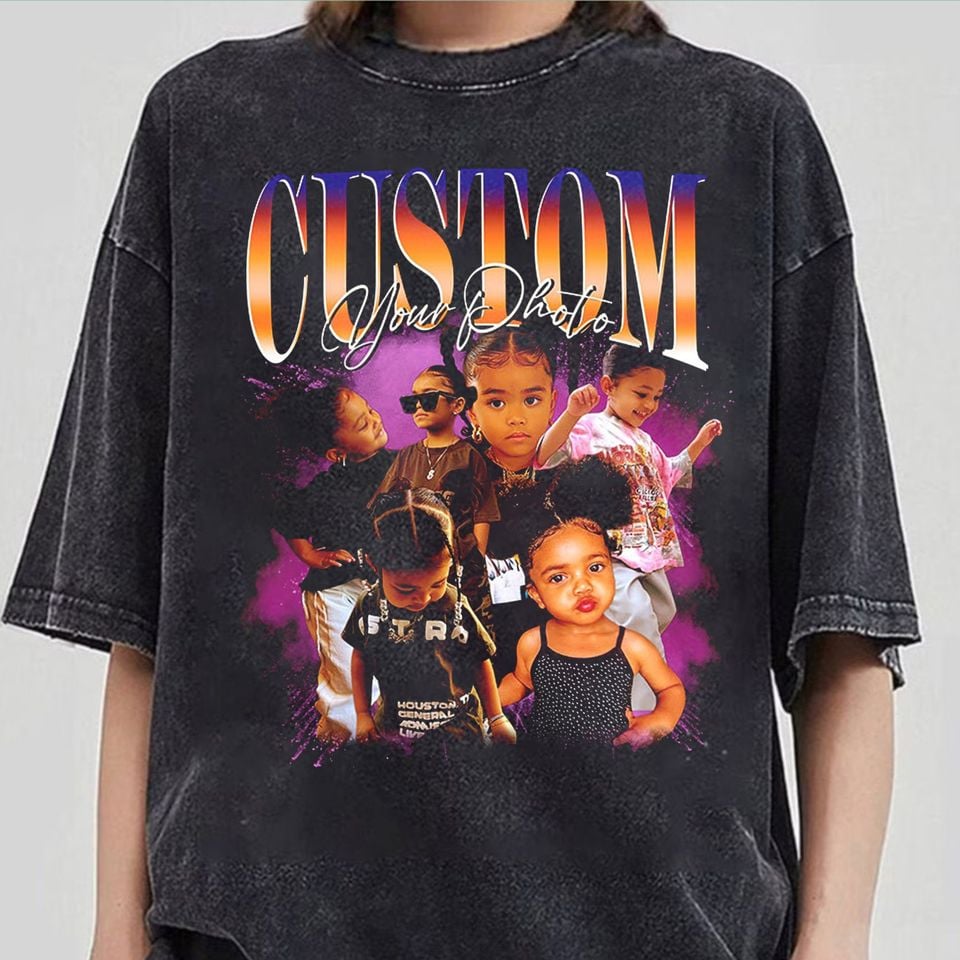
Scroll any streetwear account worth following and you’ll see the same visual signatures repeating: washed-out tour dates for bands that never existed, bootleg sports logo treatments with the wrong team colours, hand-distressed collegiate graphics that look like they’ve been through thirty cycles of a laundrette. These aren’t accidents. They’re a deliberate aesthetic language, and the freelancers producing it at scale are getting very good at speaking it fluently.
How Bootleg Culture Became the Blueprint
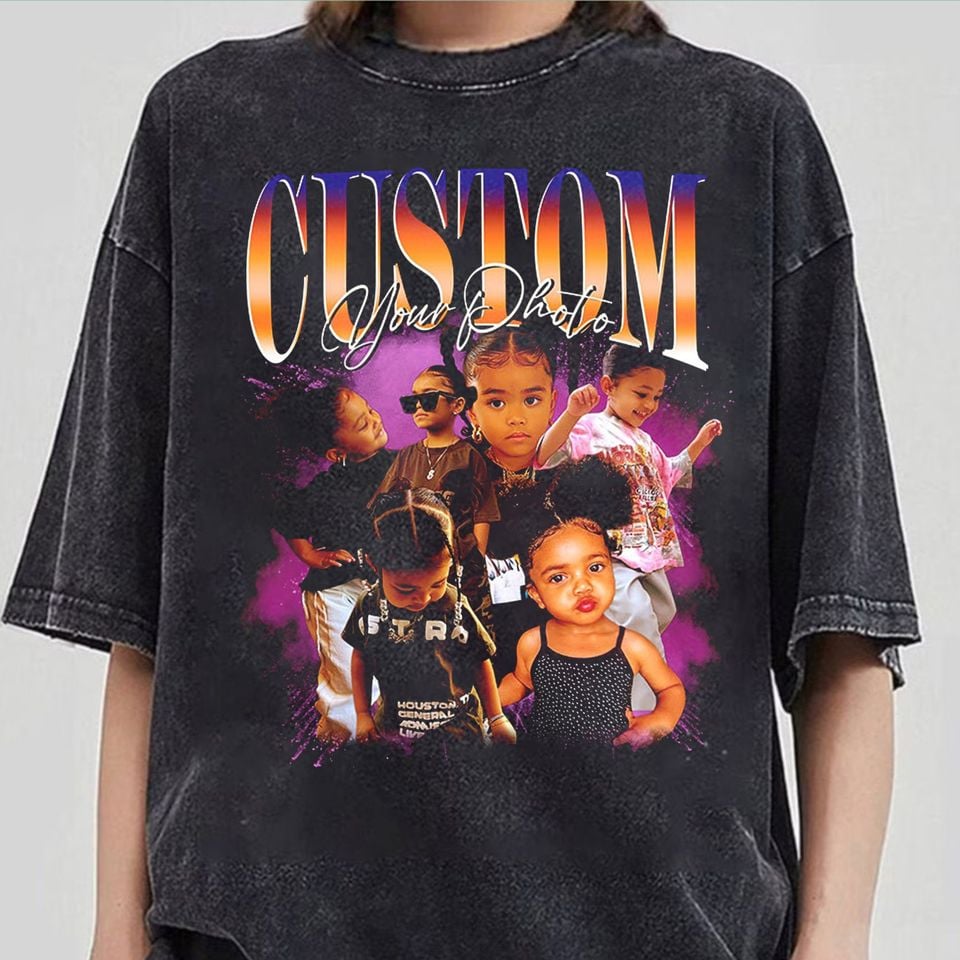
Image: printerval.com
The aesthetic didn’t come from nowhere. Bootleg t-shirt design has roots in the market-stall culture of the 1980s and 1990s [citation needed], when unlicensed screen-printers would produce knockoff band tees, sports shirts, and brand mashups to sell outside venues and at car boot sales. The cultural cachet of those original bootlegs – slightly off, deliberately unauthorised, carrying a whiff of subversion – is exactly what makes the aesthetic so powerful today. We’re not copying the product. We’re copying the feeling.
Think Supreme meets Champion circa 1994, filtered through a sun-bleached Harajuku lens. Or a collegiate gothic typeface dropped onto a faded black tee with a graphic that looks like it survived three decades in someone’s wardrobe. The references stack up and the tension is the point – high-concept nostalgia in a format that costs £25 to produce and wears like a piece of personal mythology.
What’s changed in 2026 is the infrastructure. Direct-to-garment printing has removed the minimum order barrier that once made bootleg-style production genuinely risky. You no longer need to front a run of 500 units to test a graphic. The DTG pipeline means a freelancer can produce a finished design on Monday, have it live in a POD store by Wednesday, and see real sales data by the weekend. That feedback loop is compressing the design cycle dramatically.
The Freelance Machine Behind the Aesthetic
The scale at which individual designers are now operating is genuinely striking. Job listings on platforms like Upwork are calling for bootleg and modern DTG shirt designers to produce 50 designs per month – that’s roughly two polished, production-ready graphics per working day. This isn’t a creative director commissioning occasional drops. It’s a production pipeline, and it’s running on freelance talent that has spent years studying the exact reference material that streetwear audiences respond to.
These designers aren’t guessing. They know that a bold condensed sans-serif in a faded red-on-black colourway hits differently to a distressed serif. They know the difference between a graphic that reads as authentic vintage and one that just reads as cheap. The craft knowledge is real, even when the cultural signifiers it’s drawing on are deliberately counterfeit. If you’re building your own store identity and looking for visual inspiration, the indie streetwear brands you have never heard of but should are increasingly finding their vocabulary in exactly this territory – borrowed, remixed, and produced at pace.
The colour palettes driving this moment are tight and deliberate. Faded black, washed slate, off-white, and military olive. Accent colours that feel oxidised – rust orange, muted burgundy, army green. Nothing is clean. Nothing is saturated. The distressed, over-washed aesthetic is doing a lot of heavy lifting, and it translates extraordinarily well to DTG printing, which can render the irregular ink coverage and soft-hand feel that screen printing historically owned.
For design direction, this is the moment to experiment with bootleg logo treatments on garment fronts – taking recognisable structural formats (sports crests, band merch layouts, academic seals) and filling them with entirely original content. A bold gothic wordmark over a faded chest graphic would work here. So would a rule-of-three text stack: location, year, something cryptic. The less explained, the better.
What This Means for POD Brands Right Now
The freelance economy is pre-solving the design problem for POD operators who know where to look. Brands that can commission, curate, and position bootleg-aesthetic content effectively are sitting on a real advantage. The aesthetic is proven, the production pipeline is accessible, and audience appetite – particularly among 18-to-35-year-olds who grew up in the era being referenced – shows no sign of cooling.
There’s also a longer play here. Building a POD store around a consistent aesthetic identity, rather than trend-chasing individual graphics, is how smaller operations hold customer attention. The bootleg aesthetic is particularly useful for this because it implies a point of view – a store that looks like it has opinions, history, and a slightly underground edge. That positioning matters. It’s also worth noting that the worn-in, anti-disposable feeling of the bootleg aesthetic maps naturally onto sustainability narratives when handled carefully – something worth considering if you’re thinking about how to market your POD store as sustainable for Earth Day. And if your design process involves any motion-based content or animated graphics for social, the motion design inspiration 2026 guide for After Effects creators is worth bookmarking alongside your static design references.
Back to that streetwear market, that coveted tee. The person who bought it isn’t thinking about Upwork job listings or DTG printers or freelance production rates. They’re thinking about how it looks, what it signals, and whether it fits right. That’s always been the point. The machinery that produces culture at scale doesn’t change what culture means to the people wearing it. It just means more of it gets made – and some of it, quietly, is very good.
Frequently Asked Questions
Q: What is bootleg t-shirt design?
A: Bootleg t-shirt design refers to graphics that deliberately reference and remix the visual language of unofficial, unlicensed merchandise from the 1980s and 1990s – including band tees, sports knockoffs, and brand mashups. In 2026, it’s an intentional aesthetic movement rather than actual counterfeiting, producing garments that carry the feel of contraband without the legal risk.
Q: What colour palettes work best for bootleg-style t-shirt designs?
A: Faded black, washed slate, off-white, military olive, and oxidised accent colours like rust orange and muted burgundy are the dominant palette in 2026. The key is avoiding anything clean or fully saturated – the worn, degraded look is central to the aesthetic.
Q: How much do freelance bootleg t-shirt designers typically produce?
A: Production-focused freelance designers working for POD and DTG operations are regularly commissioned for 50 or more designs per month – approximately two finished, market-ready graphics per working day. This pace is enabled by deep familiarity with the reference material and efficient digital workflows.
Q: What typography styles work best for bootleg t-shirt design?
A: Bold condensed sans-serifs and distressed gothic or serif typefaces are most effective. Faded red-on-black colourways, condensed collegiate lettering, and cryptic text stacks (location, year, ambiguous phrase) are all reliable formats. The typography should feel like it has history, even if it was created last week.
Q: Is bootleg aesthetic t-shirt design viable for print-on-demand stores?
A: Yes – the aesthetic translates particularly well to DTG printing, which can replicate the soft, irregular ink coverage associated with vintage screen printing. Combined with no-minimum POD platforms, it allows operators to test designs quickly, build a coherent store identity, and reach audiences already primed to respond to the visual language.
This article was researched and written with AI assistance, then reviewed for accuracy and quality. Maya Sinclair uses AI tools to help produce content faster while maintaining editorial standards.