Last updated: April 4, 2026

Image: Kaggle / isiraviduranga
Scroll your feed right now. Between the heat checks and the drop announcements, something has quietly shifted. The mockups look too clean. The on-model shots are too perfect, too fast, too cheap to exist at the scale they’re appearing. AI fashion image generation has crossed from experimental novelty into a genuine production tool – and if you’re still booking photographers for every concept test, you’re already behind.
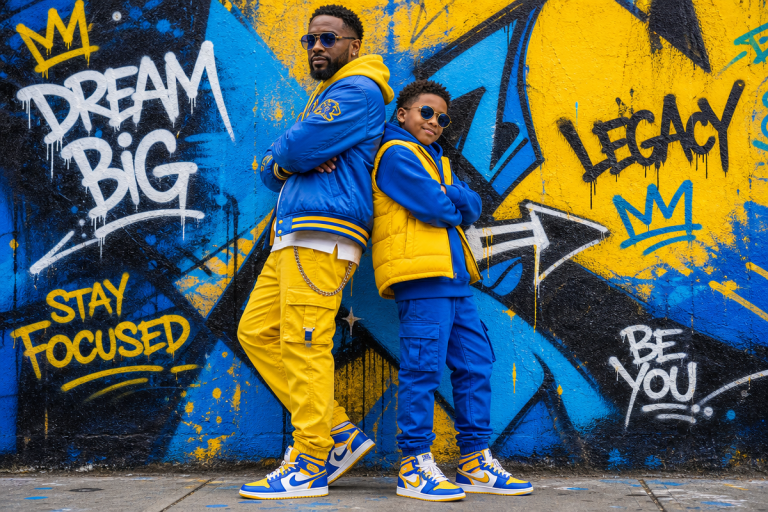
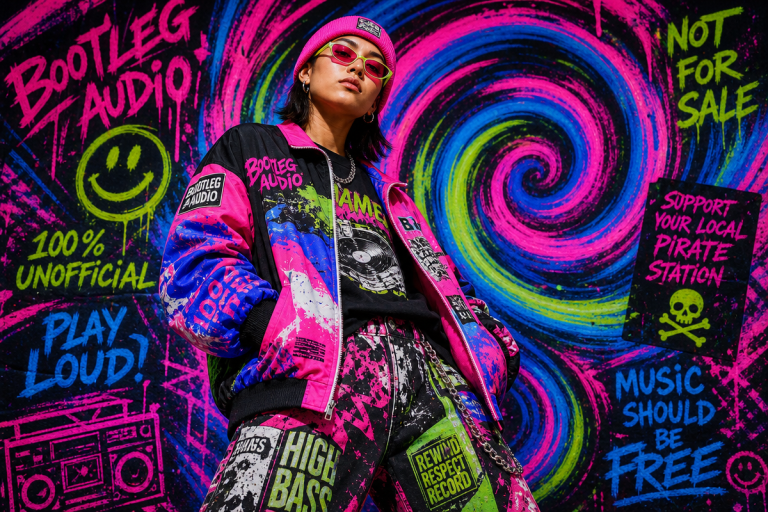
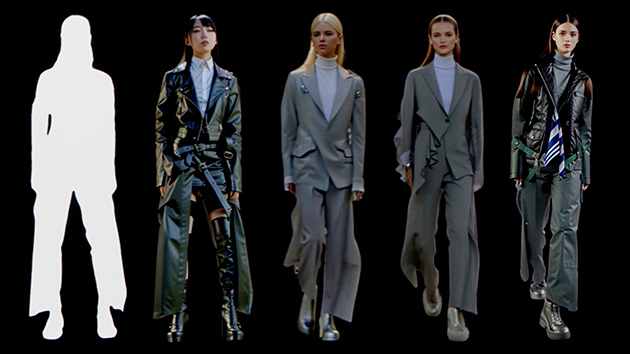
Here’s the fact most designers haven’t clocked yet: a publicly available dataset of synthetic fashion imagery landed on Kaggle, curated by researcher isiraviduranga, free to download, no licensing friction. It contains images generated across multiple models – RealisticVision, RealVisXL, and SDXL – covering both product-only and on-model fashion scenarios. Open datasets built specifically for AI and machine learning applications in fashion are proliferating fast. The arms race is already happening. The question is whether we’re in it.
How AI Fashion Image Generation Actually Works For Designers
Image: Kaggle / isiraviduranga
The short answer: it’s not one tool, it’s a stack. And each tool in that stack produces a distinct visual register that directly maps to streetwear aesthetics.
SDXL Turbo uses a technique called Adversarial Diffusion Distillation (ADD) to collapse what used to take seconds of processing into something approaching real-time synthesis. Think of it like the difference between waiting for a darkroom print to develop versus seeing a Polaroid shake into existence in front of you – same chemistry, radically compressed timeline. The visual output? Crisp, slightly hyperreal, with a synthetic cleanliness that reads cyber-sport or luxe minimalism depending on how you prompt it. Oversized silhouettes render with an almost architectural weight. Colour blocking comes out bold, graphic, and clean-edged – perfect for a bold sans-serif text tee direction where the garment needs to feel intentional rather than incidental.
RealisticVision – the checkpoint most serious fashion pipeline users are actually running – is a different animal entirely. Where SDXL reads as editorial, RealisticVision reads as street. Skin texture, fabric grain, motion blur at the hem of a heavy tee – it pulls off the kind of lo-fi authenticity that feels shot rather than generated. This is the tool that produces imagery with genuine faux-vintage energy: a washed-out graphic on a faded black tee, half-obscured by a shearling collar, looking like a frame from a 2003 skate video. For bootleg logo remix treatments and photo-graphic collage directions, RealisticVision is where we’d start.
Community checkpoints built on top of Stable Diffusion – EpiCRealism XL being one of the most-used – push the output quality toward editorial and cinematic territory. We’re talking lookbook-grade imagery without a studio booking. For streetwear brands working at speed, that means going from a text prompt describing a washed black oversized tee with a distressed varsity graphic to a convincing on-model visual in under a minute. Iteration cycles that used to span days now span lunch.
ComfyUI workflows have become the production backbone for serious users – chaining base generation through refinement, upscaling, and inpainting in a single reproducible pipeline. It sounds technical because it is, but the practical result is consistency across a shoot’s worth of images without a photographer, a stylist, or a studio. This is directly relevant to anyone building Top Streetwear Fashion Trends content at volume – you need imagery that keeps pace with how fast the aesthetic conversation moves.
What Open Datasets Mean For Print-On-Demand Prototyping
Free synthetic imagery at scale is a category shift. The Kaggle dataset doesn’t replace your design instinct – it accelerates the part of the process that eats most of your time: the visual validation loop. Does this graphic read on a body? Does this colour palette translate at thumbnail size? Does this typography treatment feel right on fabric versus on screen?
Tools like Fashion Diffusion are built specifically to generate clothing concepts and outfit visuals from text prompts. The iteration cycle collapses. We tested this framing when looking at Stable Diffusion versus Midjourney – SD’s open ecosystem wins for production workflows precisely because you can fine-tune, chain, and customise without hitting usage caps or subscription walls.
For print-on-demand specifically, the unlock is on-model imagery without the model. And the design directions that are emerging from this workflow aren’t generic – they’re pointing at specific, tee-ready aesthetics right now.
Oversized back print. Generate a full lookbook sequence with RealisticVision prompting for rear-facing on-model shots, drop a hero graphic across the back panel, and you’ve got a seasonal product test before lunch. The scale reads better in AI outputs than on a flat mockup – you can actually feel the proportional relationship between graphic and garment.
Bold sans-serif text tee. SDXL’s hyper-clean output is made for typography-forward designs. Grotesque or extended sans in a single colour on a washed neutral base – ash blue, bone white, faded terracotta – photographs beautifully in synthetic lighting because the contrast is mathematically precise. Think Supreme’s catalogue discipline, but synthesised.
Bootleg logo remix. RealisticVision with a deliberately degraded prompt – aged cotton, cracked print, soft focus – produces exactly the faux-vintage authenticity that makes bootleg-coded graphics land. Pair chrome type (generated in SDXL, composited in) with a washed-out ground and you’ve got the full early-2000s remix treatment that’s running through half the independent drops on Depop right now.
Photo-graphic collage. Where this genuinely gets interesting: layering AI-generated on-model shots with actual garment photography or archival reference. The polished synthetic base against a raw, grainy overlay creates the tension that makes a graphic feel like it has a story. This is the direction Off-White has been circling for years – symbols and space creating meaning without explanation.
For seasonal relevance, look at how these tools could have accelerated decision-making around post-Mother’s Day sell-through analysis – synthetic imagery could have let us test colourways and graphic orientations against audience response before committing to print runs.
The brands moving fastest on this aren’t the big houses – they’re the independent operators who can’t afford to hold back a product launch waiting for a shoot day to free up.
The Aesthetic Opportunities Most Brands Are Missing
Here’s what doesn’t get talked about enough: synthetic imagery has its own visual fingerprint, and right now, that fingerprint is interesting. There’s a slightly uncanny hyper-cleanliness to SDXL outputs – a too-sharp edge on fabric drape, a lighting that’s simultaneously natural and impossible. Leaning into that rather than correcting it is a design direction in itself.
Translate this to print: the AI-generated aesthetic is already seeping into graphic language. Glitched fabric renders. Synthetic gradient treatments that read as digital-first. Typography set in clean grotesques over algorithmically perfect lookbook photography – this is the bootleg logo treatment for the model-generated era.
The contrast that makes this productive for us as a brand is the push-pull between the polished AI visual and the raw street reference. A RealisticVision on-model shot has inherent grit – it reads as found rather than constructed. Set that against a cyber-sport graphic direction (clean geometry, chrome lettering, technical-fabric colourway) and you’ve got the kind of productive visual friction that makes a drop feel considered. Think Rick Owens construction logic meets Corteiz distribution chaos. One is about control; the other is about speed. AI image generation is the tool that lets you hold both at once.
Colour-wise, we’re seeing synthetic fashion outputs gravitate toward muted terracottas, ash blues, and off-whites – the palette of trained data skewing toward premium casualwear. But the opportunity is in disrupting that baseline: toxic brights injected into a washed neutral composition, a cobalt/cream contrast pair on a muted base, or a single hot-pink hit on a stone ground. For t-shirt design direction, a high-contrast graphic on an AI-generated lookbook background used as full-bleed print has strong visual logic right now. The meta-commentary is built in.
The brands who’ll win aren’t the ones who use AI to cut costs in a corner. They’re the ones who use it to make more ambitious decisions faster – prototyping six graphic directions before breakfast, stress-testing them against synthetic on-model visuals, and shipping the one that lands. The tool is neutral. The taste is still yours.
Frequently Asked Questions
Q: What is AI fashion image generation and how is it used in design?
A: AI fashion image generation uses machine learning models – such as SDXL, RealisticVision, and Stable Diffusion checkpoints – to synthesise realistic clothing visuals from text prompts. Designers use these tools to prototype concepts, create lookbook imagery, and test print-on-demand graphics without requiring physical shoots or model bookings.
Q: Where can I find free AI-generated fashion datasets for research or prototyping?
A: Kaggle hosts openly downloadable datasets including one published by user isiraviduranga, containing AI-generated fashion imagery from RealisticVision, RealVisXL, and SDXL – curated for machine learning and design research use cases, with both product-only and on-model scenarios covered.
Q: How does SDXL Turbo differ from RealisticVision for fashion design work?
A: SDXL Turbo uses Adversarial Diffusion Distillation (ADD) for near-real-time output with a crisp, hyperreal finish – ideal for cyber-sport or luxe minimalist aesthetics and typography-forward designs. RealisticVision produces grittier, more textured outputs with authentic-feeling fabric and skin detail, making it better suited for faux-vintage, bootleg-coded, or street-documentary visual registers.
Q: Can AI-generated imagery replace photographers for print-on-demand product listings?
A: For concept validation and mockup creation, yes – AI tools are now producing convincing on-model imagery at scale. For hero campaign imagery requiring specific brand creative direction, human photography still offers greater control, but the gap is narrowing quickly.
Q: What ComfyUI workflows are useful for fashion design prototyping?
A: ComfyUI supports end-to-end pipelines that chain base image generation with refinement, upscaling, and inpainting steps. For fashion designers, this enables consistent lookbook-style outputs across multiple garment concepts within a single reproducible workflow.
Q: Which AI-generated aesthetic directions work best for streetwear tee design right now?
A: Four directions are cutting through: oversized back print tested via rear-facing on-model RealisticVision outputs; bold sans-serif text tees using SDXL’s clean synthetic lighting on washed neutral grounds; bootleg logo remixes using RealisticVision’s degraded-fabric prompting with chrome type overlays; and photo-graphic collage layering synthetic on-model bases against raw archival references for built-in visual tension.
Source: https://www.kaggle.com/datasets/isiraviduranga/ai-generated-fashion
This article was researched and written with AI assistance, then reviewed for accuracy and quality. Maya Sinclair uses AI tools to help produce content faster while maintaining editorial standards.