

\n
Last updated: May 7, 2026
\n
 \n
\n
\nImage: Creative Boom
\n
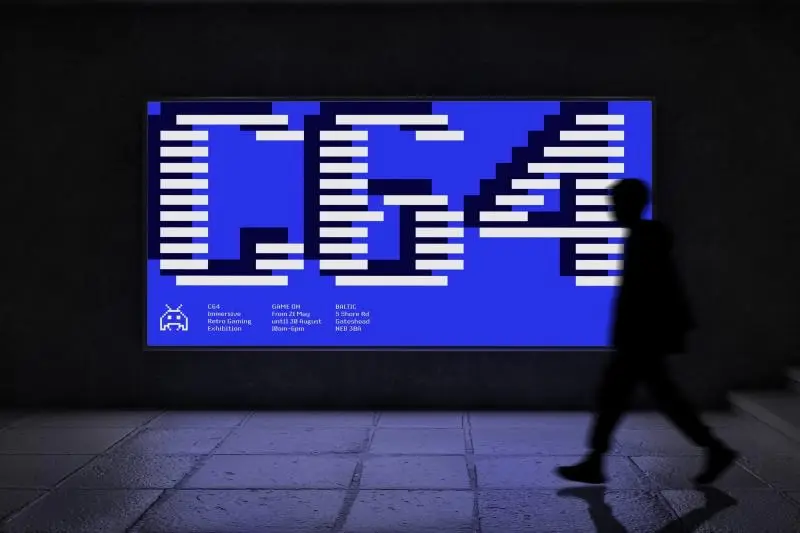
Scroll any design feed right now and you’ll see it immediately – the underground stations, the engraved plaques, the vintage broadcast graphics bleeding back into everything. Bold geometric letterforms pulled from places that were never meant to be fashionable. Type that looks like it survived something. We’re not looking at tomorrow’s fonts right now; we’re looking at what designers have quietly rescued from the past and are holding up to the light of 2026. And honestly? It hits harder than anything algorithmically generated.
\n
April’s type releases are a masterclass in knowing where to dig. The new typefaces 2026 has handed us this month aren’t chasing novelty – they’re doing archaeology. And for anyone designing print-on-demand tees, that distinction matters enormously.
\n
New Typefaces 2026: Why Archival Retrieval Is the Real Trend
\n
 \n
\n
\nImage: Creative Boom
\n
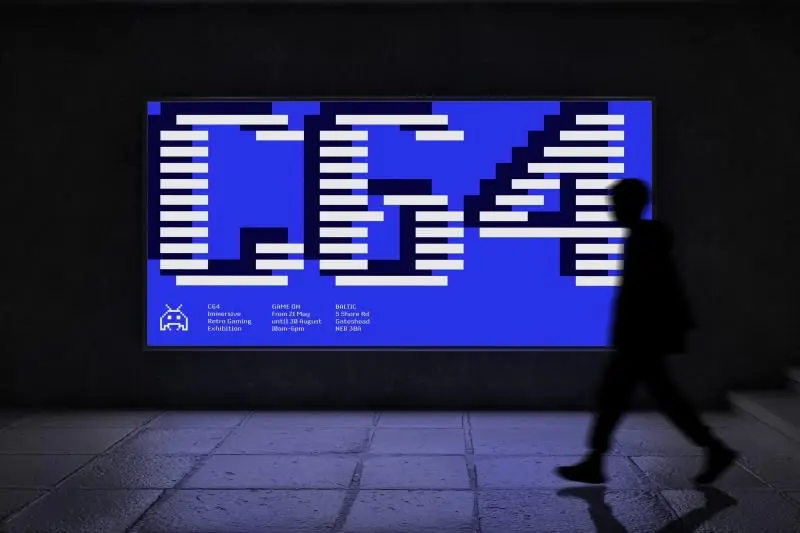
The dominant energy across this month’s releases is retrieval, not invention. Designers aren’t sitting in front of blank screens dreaming up forms – they’re rifling through Linotype specimen books, photographing subway tile, tracing the serifs off Victorian machinery. The result is typography that carries weight before a single word is set.
\n
Think of it like sampling in music. The best producers don’t just loop a beat – they find the original vinyl pressing, hear something nobody else noticed, and build something new that still holds the DNA of the source. That’s exactly what’s happening with type right now. The archival impulse isn’t nostalgia for its own sake; it’s a way of grounding letterforms in lived history, in materials, in human hands. That’s what makes them feel credible on a garment rather than digital.
\n
Three things are converging to make this moment feel urgent rather than backward-looking. First, the heritage workwear revival that’s been building since 2024 has reached saturation point on the high street – which means the next wave is about specificity, not just aged aesthetics. Second, Eastern European modernism is having a genuine cultural moment: Kyiv, Warsaw, and Bratislava are exporting design, film, and music that’s landing in London and New York with real authority. Third, the Spring 2026 runway season has been awash in brutalist architectural references – Prada, Balenciaga, and a string of emerging Central European labels all pulling from the same well of institutional letterforms and engraved stone. Type is simply the most portable expression of that impulse.
\n
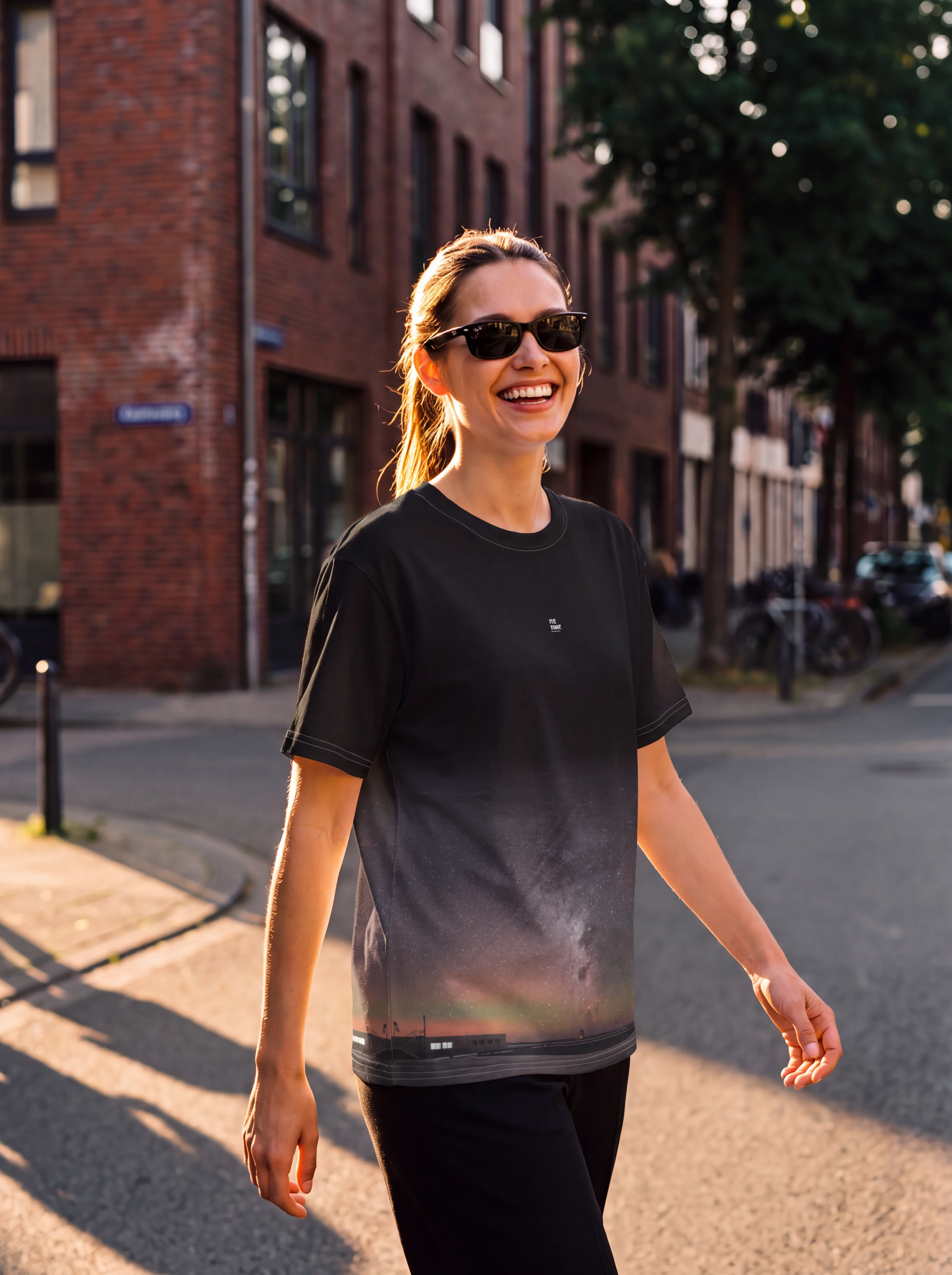
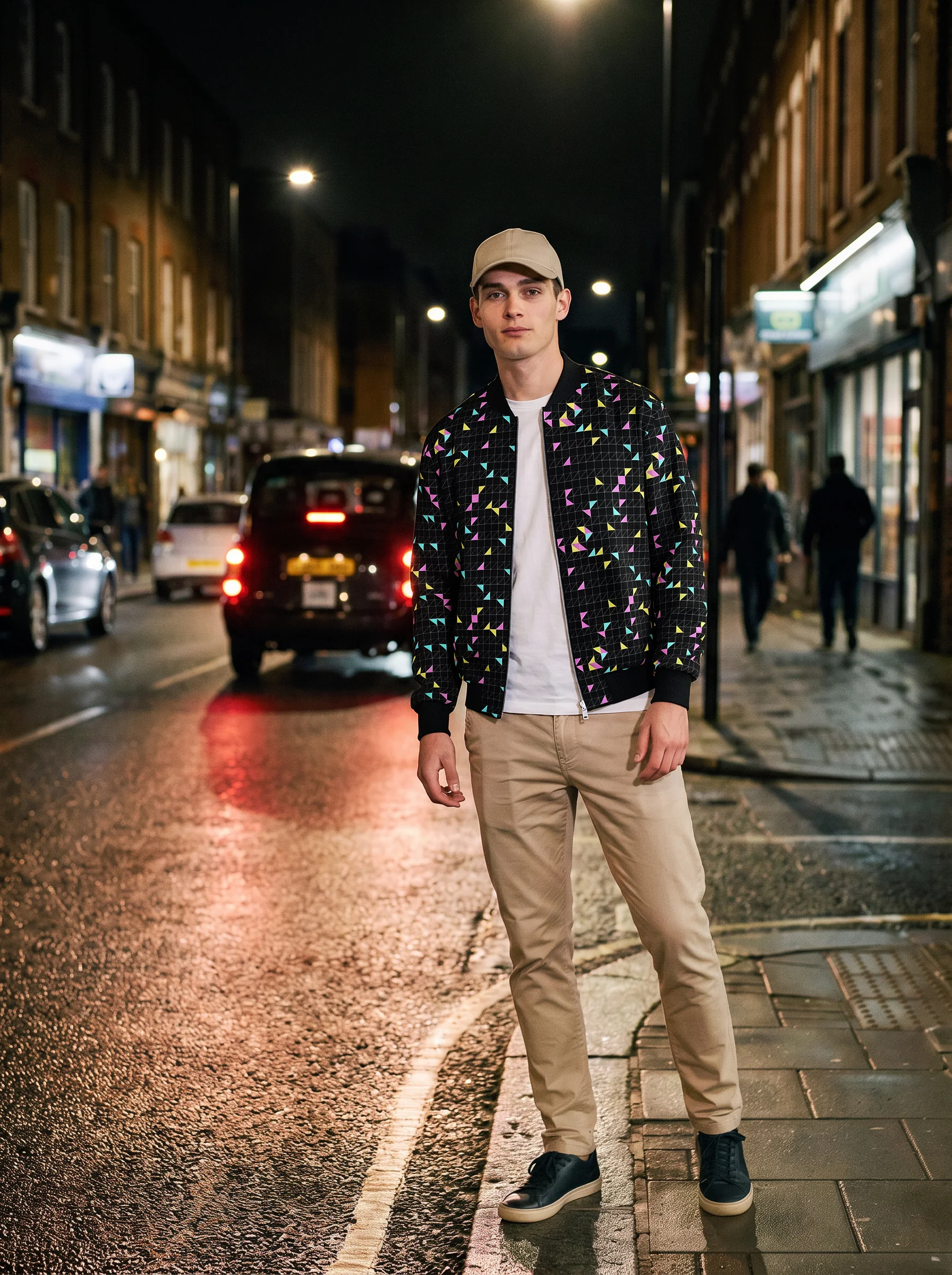
The practical implication for merch design is significant. Fonts with this kind of pedigree lend instant visual authority to even a simple graphic tee. One word, well-set, in the right typeface can carry the whole garment.
\n
The Fonts Designers Are Actually Reaching For This Month
\n
Start with KTF Roman from Kyiv Type Foundry – and yes, the backstory matters here. This is anonymous 1960s Kyiv Metro station lettering, pulled from the walls of underground stations and elevated into a five-style family. It includes the foundry’s first colour font, with ligatures drawn directly from engraved memorial plaques and architectural inscriptions. Think Soviet modernism meets heritage craft. For a tee, this is an immediate graphic text play – stack a city name or a single bold word in KTF Roman’s display weight and you’ve got something that reads like a monument and wears like streetwear.
\n
Palette-wise, we’re setting this in off-white or bone discharge on slate-washed black, or going the other direction entirely: a faded tobacco print on ecru. Both treatments reinforce the archival DNA of the letterforms without spelling it out. The key finish here is a cracked or weathered ink effect – not the clean vector print that screams digital, but something that looks like it was pulled through a screen a hundred times already. Puff print could be interesting too if you want the letterforms to feel genuinely architectural, like raised signage.
\n
Matthew Carter’s Caledonia CC is the kind of release that makes serif typography feel dangerous again. Carter has adapted Dwiggins’ Scotch Roman directly from Linotype’s original 9-point drawings – the very drawings used to set Time magazine. Four optical sizes, Regular and Italic, technically conservative yet radiating a quiet confidence that asks nothing of the reader. This is the typeface equivalent of a perfectly cut white Oxford shirt. It doesn’t compete; it just is.
\n
For POD, Caledonia CC’s Display and Headline cuts could work beautifully in a high-contrast editorial tee – think magazine masthead energy, the kind of bootleg logo treatment that pulls from print media rather than sports culture. We’re thinking two-colour: stark black on cream, or a deep navy on aged white. The contrast here is important – Caledonia CC is a luxury editorial reference being deployed in a streetwear context, and that friction is precisely the point. It’s the same logic that made Comme des Garçons putting serif body copy on a tee feel radical. Set a pull quote from a defunct magazine, a dateline from nowhere, a single column of editorial copy chest-printed in 14pt Display. Let the cultural register do the heavy lifting.
\n
Then there’s Boundt by Drizy Font, and this is where things get loud. Bold architectural geometry combined with mechanical bolt-and-nut structures and vintage broadcast design language – it ships with multilingual support, ligatures, OTF and TTF. This is the most POD-ready release of the month without question. The mechanical aesthetic is built for screen printing, for bold sans-serif text tees, for anything that needs to look like it was stencilled onto the side of a transit vehicle or broadcast across a heavyweight championship card. Think construction signage meets fight poster – or more specifically, think the current wave of industrial workwear brands that are pulling from Continental European factory graphics and tool catalogues. Carhartt WIP, Pas Normal Studios, the whole utility-chic axis that’s been accelerating since late 2025.
\n
Colour for Boundt? Go warm and industrial: burnt orange on charcoal, or stone on olive. Alternatively, pure high-contrast black on white if you want it to read as a graphic tee first and a typography exercise second. Rubberised ink gives the mechanical feel extra texture; foil is an option if you’re leaning into the broadcast-graphic heritage. Multilingual support opens it up for cross-listing across UK and US markets without worrying about character set gaps.
\n
Boxal from The Northern Block rounds out the strongest picks – geometric rigour with just enough personality to avoid feeling corporate. In-House International out of Austin also dropped something this month described as a typeface that “cuts through in more ways than one.” Sharp, confident, and very usable for statement-led merch where legibility at print scale matters.
\n
On the experimental end: Maximiliano Sproviero’s script typeface born from a vintage pinball machine is exactly as wild as it sounds, and Mark Davis built a variable font around a previously unnamed axis – both representing the innovative counterpoint to the month’s archival dominant. Niche for most POD applications, but worth watching as variable font support in print tooling matures.
\n
What Most People Miss About Type and Merch
\n
The mistake most designers make is treating font choice as an aesthetic decision rather than a cultural one. A typeface doesn’t just set text – it signals belonging. KTF Roman signals Eastern European modernism and architectural heritage. Caledonia CC signals editorial authority and mid-century American print culture. Boundt signals mechanical industry and broadcast energy. Choosing between them isn’t just about what looks good; it’s about what story the garment tells the person wearing it.
\n
In 2026, the bestselling tee palettes – stone, slate, tobacco, overdyed olive, washed black – are all surfaces that reward typographic complexity. A clean white tee with a Helvetica knockoff reads as fast fashion. The same stone tee with KTF Roman set in a cracked discharge print reads as something that was considered. That difference in perceived quality translates directly into add-to-cart rates and price tolerance. Choosing the right typeface isn’t a finishing touch; it’s part of the product architecture.
\n
The other thing worth noting: optical sizing matters at print scale in ways it doesn’t on screen. Carter’s four optical sizes for Caledonia CC aren’t a luxury feature – they’re a reminder that a Display cut set small will fall apart, and a Text cut blown up to chest-print scale will look anaemic. This applies across every release this month. Download the trial weights, set them at actual print dimensions, and see what holds.
\n
If you’re preparing a seasonal collection for a new market, April’s releases give you tools that can flex across cultural registers without feeling generic. The archival roots give them specificity; the multilingual support gives them reach.
\n
April 2026’s type story is simple: the best new fonts aren’t new at all. They’re recovered, translated, and rebuilt for the present. That’s not a limitation – that’s a methodology. For streetwear and POD design, it’s the exact energy that makes a graphic tee feel like a document rather than a decoration. Set your type accordingly.
\n
Frequently Asked Questions
\n
Q: What are the standout new typefaces of April 2026 for graphic designers?\nA: The strongest releases include KTF Roman (Kyiv Type Foundry), Caledonia CC (Matthew Carter/Carter & Cone), Boundt (Drizy Font), and Boxal (The Northern Block) – each grounded in archival research and built for serious design application.
\n
Q: What is the dominant type trend in 2026?\nA: Archival retrieval is the defining trend – designers are drawing from historical sources including Kyiv Metro lettering, Linotype originals, vintage broadcast graphics, and Victorian-era machinery rather than generating new forms from scratch.
\n
Q: Which April 2026 typeface works best for print-on-demand t-shirt design?\nA: Boundt by Drizy Font is the most immediately POD-ready release – its bold architectural geometry and mechanical bolt-and-nut structure translates well to screen printing and large-format text tees, with multilingual support as a practical bonus.
\n
Q: What is KTF Roman and why is it significant?\nA: KTF Roman is a five-style typeface family from Kyiv Type Foundry that revives anonymous 1960s lettering from Kyiv Metro stations. It includes the foundry’s first colour font and ligatures drawn from engraved memorial plaques, making it historically grounded and visually distinctive.
\n
Q: How does Caledonia CC differ from standard serif fonts?\nA: Caledonia CC is Matthew Carter’s adaptation of Dwiggins’ Scotch Roman, based on Linotype’s original 9-point drawings used for Time magazine. It comes in four optical sizes (Display, Headline, Subhead, Text) ensuring the typeface performs correctly at every scale – a level of craft most digital fonts skip entirely.
\n
Q: What colour palettes and print finishes work best with April 2026’s archival typefaces?\nA: For KTF Roman, try off-white discharge on washed black or tobacco print on ecru with a cracked ink finish. Caledonia CC suits stark black on cream or deep navy on aged white for editorial contrast. Boundt works best in burnt orange on charcoal or stone on olive, with rubberised or foil ink to reinforce the mechanical aesthetic.
\n
Source: https://www.creativeboom.com/resources/the-best-new-typefaces-for-april-2026/
\n
This article was researched and written with AI assistance, then reviewed for accuracy and quality. Maya at Its.That. uses AI tools to help produce content faster while maintaining editorial standards.
\n