Last updated: April 27, 2026
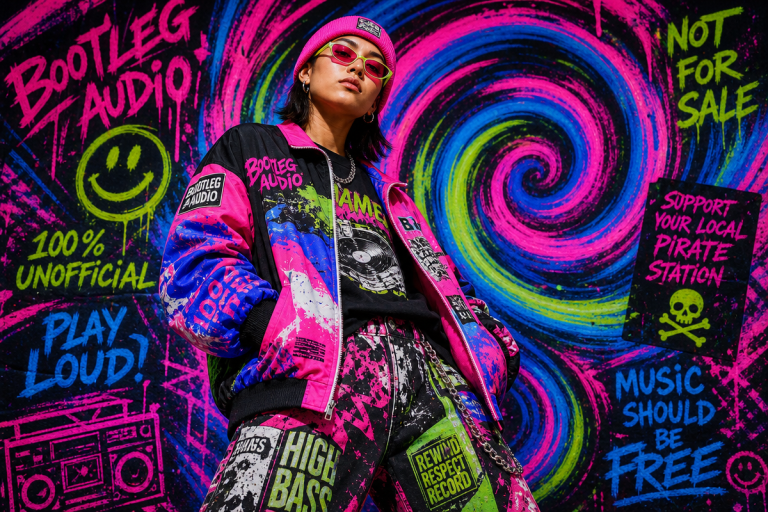
Scroll through any creative portfolio platform right now and you’ll see it: distressed halftones, blown-out contrast, hand-rendered lettering stacked like a 1992 rap concert tee. The bootleg t-shirt design aesthetic is everywhere, and it’s not retreating.
Jakarta-based designer abimanyu iwari published a Michael Jackson bootleg tee concept on Behance on 11 April 2026 – tagged bootleg, raptee, vintage, streetwear, tshirtdesign – and it crystallised something we’d been noticing for months. A generation of indie graphic designers is reaching back into hip-hop merch culture, not to copy it, but to reinterpret it with fresh eyes and current tools. The result is some of the most visually arresting t-shirt work we’ve seen in years.
Here are five bootleg aesthetics driving that revival, and how each one translates into a print-on-demand design you can put into production today.
1. Halftone Portraiture – The Original Lo-Fi Filter
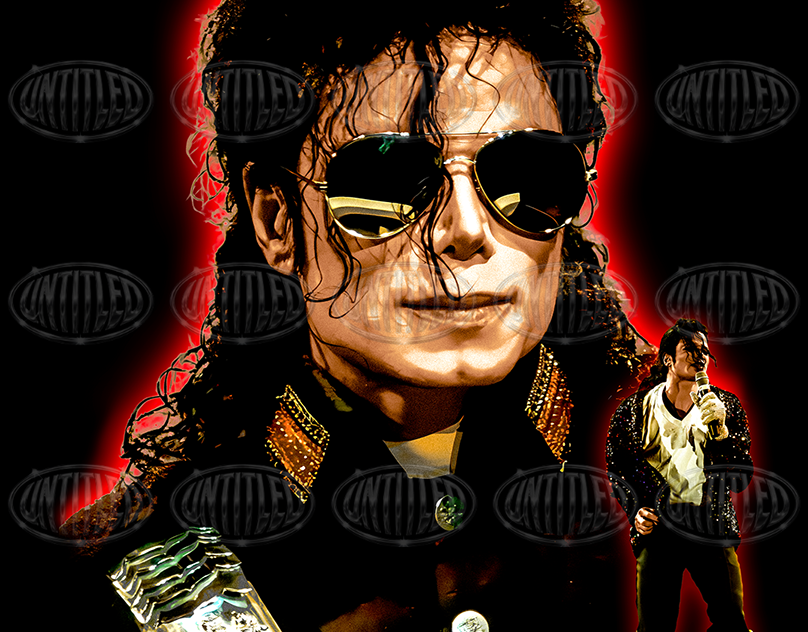
Image: abimanyu iwari / Behance
Halftone dots are the backbone of bootleg aesthetics. Before digital printing, bootleg merch was reproduced on photocopied screens, and the dot patterns weren’t a stylistic choice – they were a technical constraint that became a signature. Today, designers recreate that grainy, screen-printed quality deliberately, pushing contrast until the subject feels like they belong on a tee sold outside a 1993 arena show.
What makes halftone work in 2026 is restraint. The difference between a portrait that reads as authentic and one that reads as merely distressed is whether the designer understood why those dots exist, not just what they look like.
Design direction: A single oversized halftone portrait, centred chest, no background, on a washed black or faded navy tee. Direct-to-garment printing with water-based inks produces the soft, worn-in quality that defines the look – ink sits in the fabric rather than on top of it, and the difference is tactile.
2. Bootleg Typography – Stacked, Stretched, Drawn
The lettering on a vintage rap tee wasn’t pulled from a font library. It was drawn, traced, or photocopied from reference sheets – which is why it has that slightly off, humanly imperfect quality no digital font fully replicates. We’re seeing designers go out of their way to recreate this: stacked condensed type, misregistered colours, stretched serifs, and that specific combination of a bold name set above a smaller location-and-year ribbon.
That ribbon banner format has deep roots. American motorcycle club patches established the visual shorthand – emblem at the centre, curved text above, place-and-year below – that bootleg designers still reference today. When a bootleg tee reads “WORLD TOUR 1993 / LOS ANGELES,” it’s drawing on the same design grammar as a biker patch from 1958.
Don’t just download a condensed font and call it done. Distort it manually. Add ink trapping. Shift the registration slightly. For ideas on what translates from screen to garment, our 10+ Typography Ideas for Custom T-Shirt Printing 2026 breakdown is worth reading before you finalise any type-led layout.
Design direction: Bold stacked sans-serif for the main name, thinner all-caps location ribbon below. Print it large – chest-width or full-front. Think Futura Heavy meets hand-lettered chaos.
3. Music Icons Through a Streetwear Lens
Michael Jackson, Tupac, Notorious B.I.G., Whitney Houston – music icon tees are a commercially active sub-category on print-on-demand platforms in 2026. But the designs cutting through aren’t straightforward tribute pieces. They’re reinterpretations: the artist filtered through a bootleg aesthetic, treated less like licenced merchandise and more like a cultural artefact.
Designers who grew up wearing these shirts are now making them with a designer’s eye and a printer’s awareness of what survives a wash cycle. That’s a maturation of the aesthetic, not just a revival.
Design direction: Pick one era. One colour palette. One treatment – halftone portrait, illustrated, or typographic-only. Mixing all three reads as noise. Two or three colours on aged white or sand is the move.
4. Patch Culture – Emblems, Banners, Club Identity
Vintage motorcycle club aesthetics keep resurfacing in streetwear because the visual language is structurally complete. A patch has a centre emblem, a top rocker, a bottom rocker – it communicates identity, location, and belonging in a format that fits on a back panel or a chest badge. Bootleg designers are borrowing this framework and filling it with music icons, fictional clubs, or mythologised places and years.
Think Supreme’s box logo instinct applied to a 1970s MC structure. Simultaneously nostalgic and new. If you’re experimenting with AI-assisted emblem generation for initial concepts, The 20+ best (free) AI art and image generators of 2026 is worth bookmarking – though the finishing work still needs a human hand.
Design direction: Back panel oversized crest, two-colour print, aged finish. Or a chest badge with a tight emblem and curved type above and below – a classic bootleg logo treatment that reads with instant authority.
5. Colour Palettes – Faded With Purpose
Bootleg tees aren’t neon. The palette is specific: tobacco yellows, brick reds, dusty pinks, slate blues, off-whites, and that particular army green that sits somewhere between sage and khaki. These aren’t colours chosen for vibrancy – they’re colours that look like they’ve been through thirty washes and are better for it.
The trap is going too far. Over-faded prints just read as cheap. The goal is a shirt that was once vivid and has aged beautifully. This connects directly to what we’re seeing fall out of favour: the 10 trends that creatives are so over in 2026 includes aggressively distressed, thoughtlessly generic vintage-lite work that’s flooded the market. Authentic bootleg aesthetics have a point of view. Generic doesn’t.
Design direction: Limit yourself to three colours per design. Use warm off-white or vintage sand as the base garment. Brick red or tobacco yellow on black reads vintage immediately. Dusty pink on army green is the move for something genuinely unexpected.
The thread running through all five aesthetics is intentionality. Bootleg culture got its texture from constraints – limited screens, cheap paper, imperfect transfers – and the designers doing it best in 2026 are recreating those constraints deliberately, not accidentally. abimanyu iwari’s Michael Jackson piece earned the raptee and vintage tags through considered production decisions, not a filter dragged over a stock image. That’s the standard worth chasing, and the gap between chasing it carelessly and executing it well is exactly where the best indie t-shirt design lives right now.
Frequently Asked Questions
Q: What is a bootleg t-shirt design?
A: A bootleg t-shirt design reinterprets a pop-culture or music icon through the visual language of unofficial vintage streetwear – typically featuring halftone portraiture, distressed stacked typography, limited colour palettes, and a deliberately lo-fi aesthetic referencing 1980s and 1990s rap and tour merchandise.
Q: What printing method works best for vintage bootleg-style graphics?
A: Direct-to-garment (DTG) printing with water-based inks is the most effective method. The ink bonds with fabric fibres rather than sitting on top, producing a finish that looks and feels naturally aged rather than artificially coated.
Q: Can music icon-inspired bootleg tees be sold on print-on-demand platforms?
A: They’re commercially active on platforms like Etsy in 2026. The designs that perform best are original interpretations drawing on the visual language of music culture, rather than reproducing licenced artwork or existing concert merchandise directly.
Q: What colour palettes define the bootleg vintage aesthetic?
A: Tobacco yellows, brick reds, dusty pinks, slate blues, off-whites, and army greens – colours that read as naturally faded. The standard approach is a three-colour maximum per design, printed on aged white, vintage sand, or washed black garments.
Source: https://www.behance.net/gallery/247396759/Bootleg-T-Shirt-Design-Michael-Jackson
This article was researched and written with AI assistance, then reviewed for accuracy and quality. Maya Sinclair uses AI tools to help produce content faster while maintaining editorial standards.