

Last updated: June 5, 2026
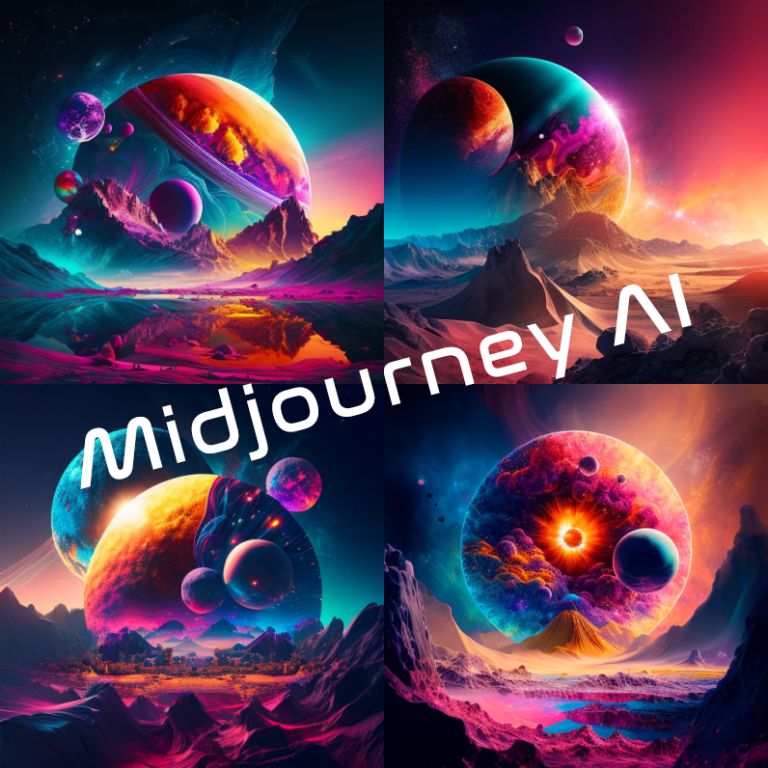
Image: Easy With AI
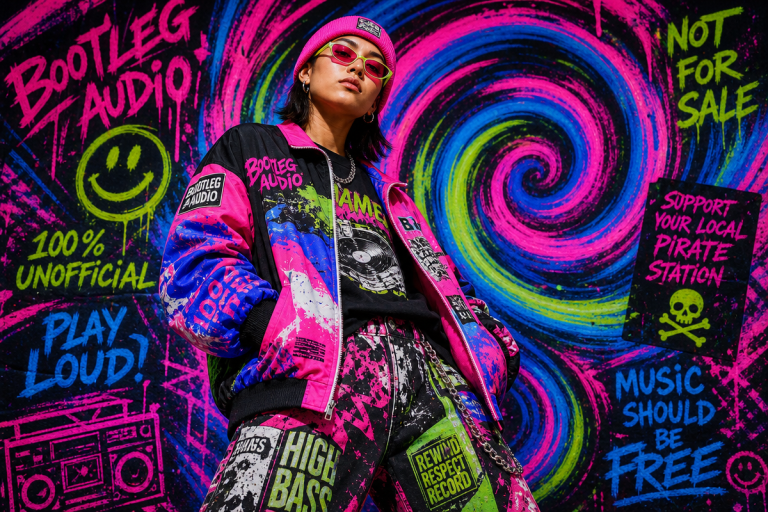
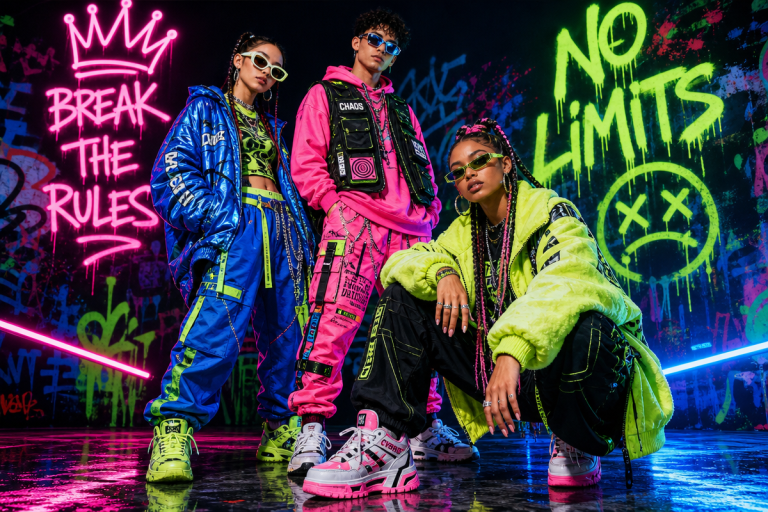
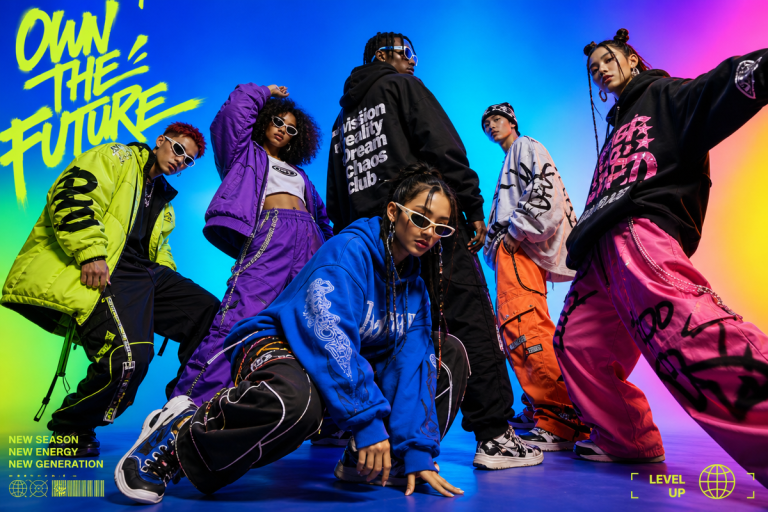
What if the most original streetwear graphic you see this summer was conceived in under an hour, never touched by a pencil, and iterated through fifty variations before breakfast? That question isn’t hypothetical anymore – it’s the daily reality for a growing wave of independent designers who’ve folded Midjourney print on demand workflows into their creative process. We’ve been watching the feeds. The aesthetic evidence is everywhere.
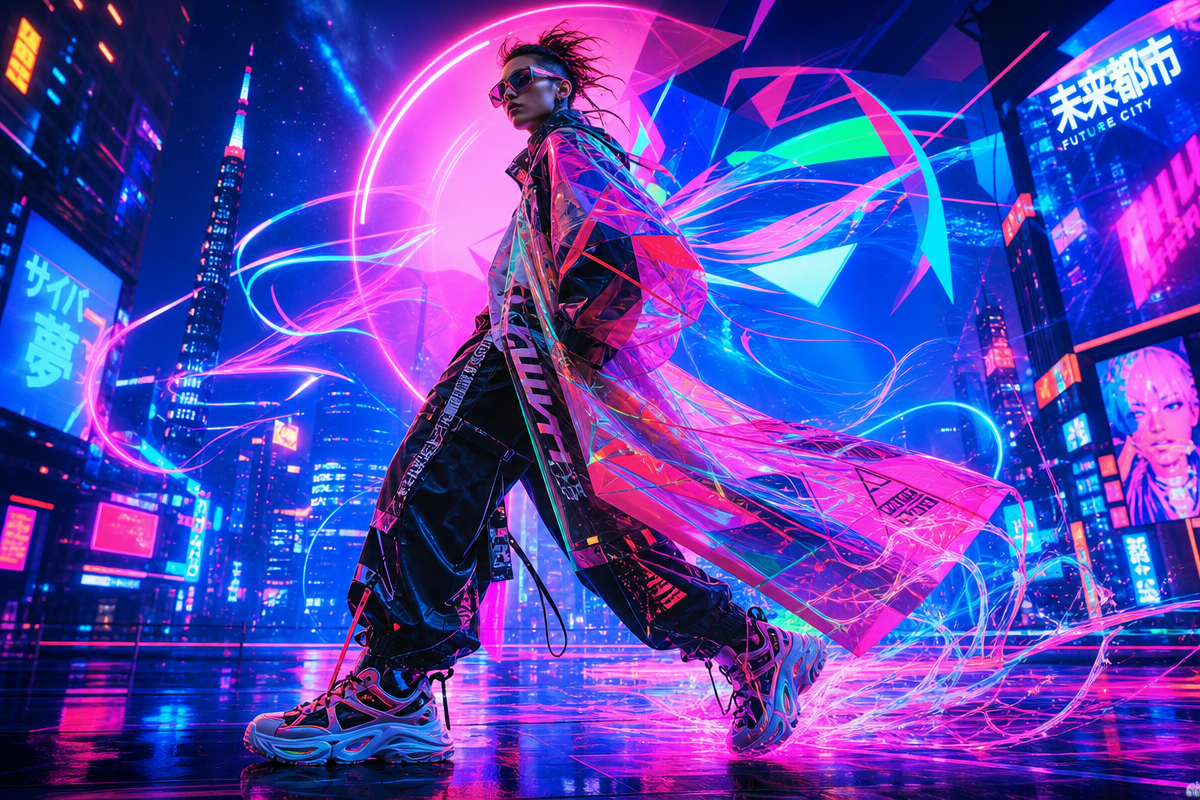
Scroll any streetwear-adjacent corner of Instagram or TikTok right now and you’ll clock it: hyper-detailed graphic tees with the texture depth of screen-printed vintage but the compositional boldness of digital art. Distressed gothic lettering bleeding into biomechanical imagery. Washed-out photoreal landscapes overlaid with brutalist sans-serif. Colour palettes pulling ochre, slate blue, and bone white into configurations that feel simultaneously archival and forward. Something has shifted – and it shifted fast.
From Discord Server to Design Brief
Image: Easy With AI
Midjourney runs inside Discord [citation needed], which tells you something about its origins and its community. It started as a tool for artists and dreamers – a text-to-image generator you accessed by typing prompts into a chat channel and watching the bot conjure imagery back. Since v6, the output quality has crossed a threshold that matters commercially: fabric textures render convincingly, compositions hold structural integrity at print scale, and the stylistic range spans everything from neo-brutalism to painterly maximalism without hesitation.
For POD sellers, the subscription model unlocks something practical alongside the creative potential: commercial usage rights. Paid tiers grant varying levels of GPU time, but the critical detail is that subscribers can legally use their Midjourney output on products they sell. No licensing ambiguity, no grey-area attributions – you generate it, you own the commercial rights, you send it to fulfilment.
The top streetwear brands of 2026 haven’t abandoned traditional design – but the independent layer beneath them, the small-batch and POD operations feeding the same cultural appetite, has overwhelmingly adopted AI concepting as a first-pass tool. It’s not replacing the designer. It’s replacing the blank page.
How Midjourney Print on Demand Actually Works in Practice
The workflow looks nothing like replacing a creative director with a chatbot. It looks more like having an impossibly fast mood-board generator that can also iterate colourways on command.
A designer starts with a concept – say, corrupted corporate logos filtered through a 90s rave aesthetic with a Tokyo street-photography palette. They write a prompt, run it, and get four variations back in under a minute. They pick the strongest, tweak the parameters, and iterate again. What used to take three days of Photoshop exploration now takes three hours of directed prompting. The ideation phase collapses. The decision phase sharpens.
Midjourney’s --sref and --style flags let you lock in an aesthetic reference and iterate within it – so if you’ve found a visual language that works (bleached pastel palette, heavy grain, photocopy-distress textures), you can generate an entire cohesive collection without each piece drifting off-brand. For planning your summer lineup, this kind of rapid concepting means you can test twelve design directions in the time it previously took to develop two. It’s the difference between a one-off experiment and a repeatable design system.
What This Means for Your Next Drop
This is where aesthetic intelligence matters as much as technical workflow. Midjourney doesn’t tell you what’s culturally resonant – it executes. The designers winning right now are those feeding it precisely loaded prompts, pulling from specific cultural coordinates, not vague mood words.
Here’s what we’re watching and where we’d push it for tee applications:
Corrupted crest energy. Think bootleg sports-badge graphics filtered through Corteiz’s lo-fi DIY sensibility and blown up to a full chest print. Fake football club crests with deliberately wrong Latin mottos, misregistered two-colour print, blackletter running into condensed Akzidenz. The lineage is Travis Scott merch meeting car-boot-sale vintage – distrust the official, trust the bootleg. Colourways: cardinal red washed to dusty rose, black, antique gold. One prompt away from a Midjourney first draft; one Figma session away from production.
Rave-to-grave flyer graphics. UK acid house and early drum-and-bass flyers have been cycling back through music feeds – artists like Shy FX and Goldie getting archival moments, which always telegraphs a graphic resurgence. Smiley-face-era rave typography meets Victorian funeral-parlour blackletter. On a tee: oversized back print, the kind of composition that reads as a dense rectangle from distance but rewards a closer look with layered text and fragmented imagery. Prompt direction: “UK rave flyer 1992, photocopy distress, blackletter type, acid yellow on navy, halftone grain.”
Japanese utility meets glitch. neighbourhood, Undercover, and the Hiroshi Fujiwara archive remain the reference point every third designer is quietly consulting. Translate that into Midjourney by prompting for technical workwear silhouette illustrations with glitch-corruption artefacts – the kind of visual noise you’d get from a corrupted JPEG of a Kapital catalogue. On a tee: chest-placement graphic, no larger than a fist, intricate enough to reward inspection. Colourways: army drab, chalk white, a single hit of rust.
Heat-map gradients over text. Off the back of NBA courtside fit culture and the Adidas-resurgence moment, gradient-wash tees with bold condensed type are everywhere from size-run drops to European football casual labels. The Midjourney use case here is generating the gradient field itself – heat-oxidised orange bleeding into slate, then layering your own stencil-cut type over the top. Summer colour palettes and motifs trending for POD sellers this season map directly onto this: faded army greens, chalk-washed blues, burnt ochres. Give Midjourney explicit colour directives and it delivers with a consistency that’s genuinely difficult to replicate manually.
Dense botanical-industrial all-overs. The Gorillaz aesthetic – illustrated, maximalist, slightly unsettling – has aged into something that feels genuinely fresh again. All-over-print patterns built from dense floral-meets-machine motifs, then desaturated into vintage-washed territory. Cap panels where the pattern reads as solid from a distance. Hoodies tiled from a single Midjourney repeat unit. This is where the POD format plays to its strengths: no minimum order means you can test the print at small scale before committing to a full run.
We started with a question: what if the most original graphic you see this summer was made in under an hour? We’re past the hypothetical now. The designers doing the most interesting POD work aren’t necessarily those with the deepest illustration portfolios – they’re the ones who’ve learned to prompt with cultural precision, iterate without ego, and move fast enough to catch a trend while it’s still on the rise rather than after it’s peaked. The blank page was never the interesting part. The taste was always the hard part. That part hasn’t changed – it’s just got company.
Frequently Asked Questions
Q: Can you legally sell products made with Midjourney images?
A: Yes – on paid tiers, Midjourney grants commercial usage rights to your generated images. No licensing grey areas, no attribution headaches. Verify the terms for your specific subscription tier before going to print, but for most POD sellers on a standard paid plan, you’re covered.
Q: How much does Midjourney actually compress the design process?
A: Significantly. The ideation phase – that three-day Photoshop spiral where you’re still not sure what direction you want – collapses to hours. Four high-quality variations per prompt, under a minute each. That’s twelve directions explored before lunch. You’re not saving time on taste; you’re reclaiming time from the blank canvas.
Q: What prompts actually work for streetwear graphics?
A: Specific over vague, every time. Name the era (1992, early 2000s), the aesthetic (UK rave, Japanese utility, nu-metal bootleg), the texture (photocopy distress, halftone grain, screenprint bleed), and the exact colour palette. “Graphic tee design” gets you nothing. “Corrupted football crest, blackletter type, photocopy distress, cardinal red and antique gold, 90s bootleg aesthetic” gets you somewhere worth iterating from.
Q: Do you need design skills to use Midjourney for POD?
A: No coding, no deep technical skills – it runs through Discord. The real investment is cultural literacy: knowing which references to load into a prompt, which colourways are landing this season, and when to stop iterating and commit to a direction. Midjourney executes; you still have to edit.
Q: How does Midjourney handle fabric textures and garment applications?
A: From v6 onwards, it’s convincing enough to make production decisions from. Grain, distress, print effects, garment drape – all render with enough fidelity for tee mock-ups and all-over-print planning. It’s a concepting tool, not a production pipeline, but the gap between the two has never been smaller.
Source: https://easywithai.com/ai-image-generators/midjourney/
This article was researched and written with AI assistance, then reviewed for accuracy and quality. Maya Sinclair uses AI tools to help produce content faster while maintaining editorial standards.