


Fashion’s AI paradox: runways reject perfection while Stable Diffusion revives lost heritage
2026-03-23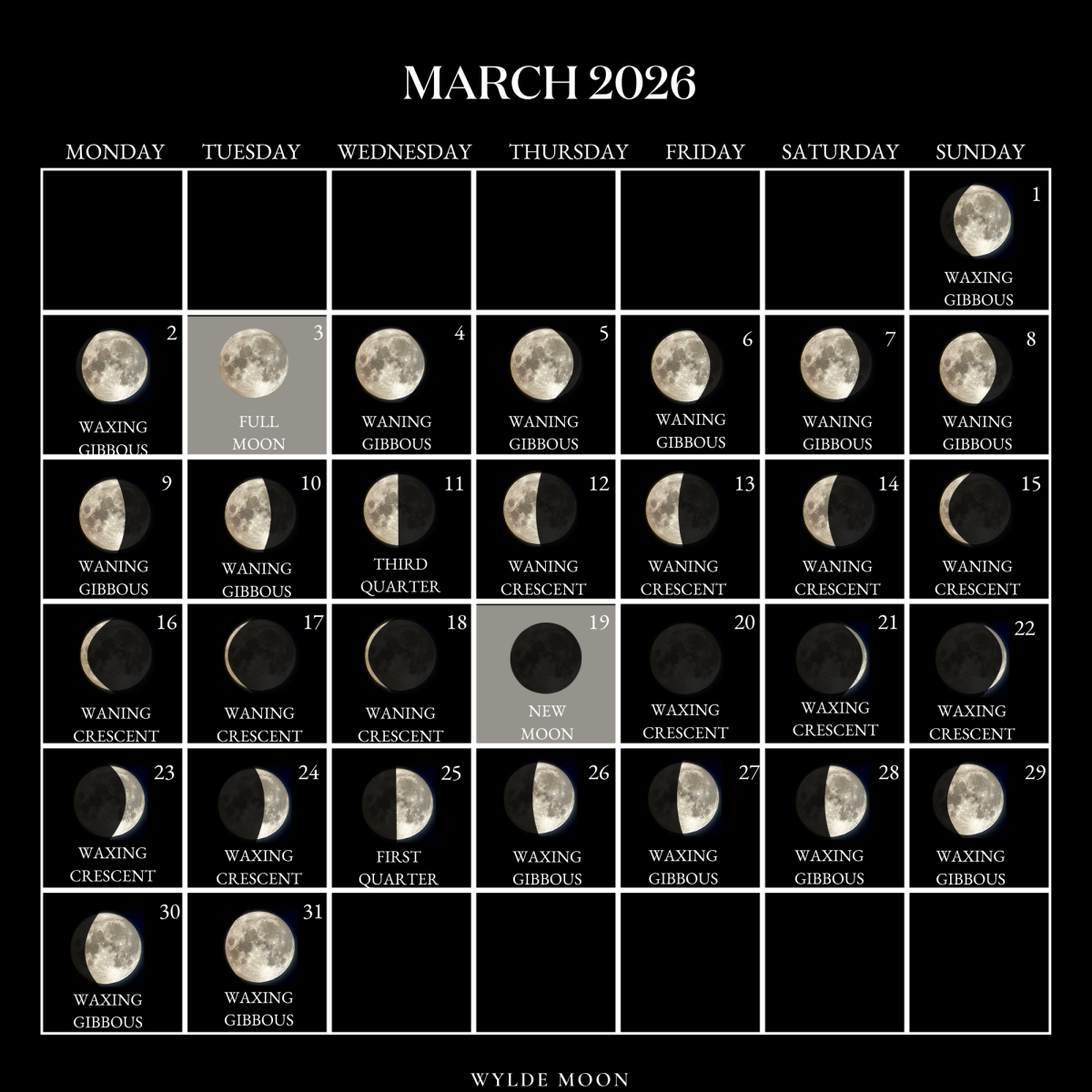
Last updated: March 23, 2026

Image: Space.com / Space Photography
On a good Blood Moon night, you look up and the familiar white disc has turned into a deep, eerie orange. It’s beautiful to watch — and genuinely satisfying to photograph, because unlike meteor showers or lightning, a total lunar eclipse unfolds slowly enough that you can experiment without panic.
The March 2026 Blood Moon is one of those chances. With a bit of planning and a few core techniques, you can come home with images that look a lot closer to what you saw with your eyes — whether you’re shooting on a long lens or just getting started.
Here’s a step‑by‑step guide that balances the technical “how” with creative ideas and a few sanity‑saving tips.
1. Know your target: what the camera “sees” during an eclipse
A total lunar eclipse has distinct phases, and the Moon’s brightness changes dramatically between them:
- Normal full Moon – very bright, essentially sunlit rock.
- Partial eclipse – Earth’s umbra (dark shadow) starts to cut into the disc.
- Totality (Blood Moon) – the Moon is in full shadow, lit only by sunlight filtered through Earth’s atmosphere, turning it red.
- Exit partial and back to normal – the sequence reverses.
Your camera doesn’t “adapt” the way your eyes do, so:
- At the start and end, the Moon is bright enough to blow out easily.
- At totality, it becomes surprisingly dim, especially to a sensor set for the earlier phases.
That’s why you’ll be changing exposure over the course of the night — and why manual mode (M) is your best friend.
If you want a deeper dive into why eclipses look the way they do, guides like how to photograph a lunar eclipse are a great technical companion.
2. Gear that makes the biggest difference
You don’t need a space observatory, but a few pieces of kit will make things much easier.
Camera: DSLR or mirrorless
Any reasonably modern DSLR or mirrorless camera with manual controls works well. Benefits:
- You can set Manual (M) mode for consistent exposures.
- You can shoot in RAW for better flexibility when editing.
- You have full control over ISO, shutter speed, and aperture.
If you only have a phone, you can still get wide shots of the sky and landscape, but you’ll struggle with detailed close‑ups of the Moon.
Lens: at least 300mm for close‑ups
The Moon is smaller in the frame than you think. For isolated Moon shots:
- Aim for a telephoto lens of at least 300mm on full‑frame.
- On APS‑C, a 200mm lens gives a similar field of view due to crop factor, but 300mm+ is still better.
With 300–600mm, you can:
- Fill a good portion of the frame.
- Resolve craters and the edge detail of Earth’s shadow.
- Create sequences by placing multiple Moon positions in a single image later.
For landscape + Moon compositions, bring a wide‑angle (14–35mm) or normal lens too.
Tripod and remote
A sturdy tripod is non‑negotiable:
- It keeps the camera stable at long focal lengths.
- It lets you frame once and then tweak as the Moon moves.
Add a remote shutter release or use your camera’s 2‑second self‑timer:
- This avoids shake from pressing the shutter, especially important at slower shutter speeds.
Optional but helpful:
- A red‑light headlamp (preserves night vision).
- Extra batteries (cold and long sessions drain them faster).
- A star tracker if you’re already into astrophotography, though it’s not required.
3. Exposure recipes: from bright Moon to Blood Moon
Treat these as starting points — you’ll adjust based on what you see on the LCD and histogram.
Before and during early partial phases (bright Moon)
Here, the Moon is still very bright. You want:
- Sharp details.
- No blown‑out highlights.
- Minimal motion blur as the Moon moves across the frame.
Start with:
- Mode: Manual (M)
- ISO: 100–200
- Aperture: f/5.6–f/8 (sharp and with enough depth).
- Shutter speed: around 1/250s.
That ~1/250 second shutter is key early on:
- The Moon is moving across the sky; slower shutters can introduce slight motion blur at long focal lengths.
- A faster shutter helps you “freeze” the detail in the maria and craters.
If your shots look too bright (no visible texture), speed up the shutter (1/500s) or stop down slightly. If they’re too dark, slow to 1/125s.
Approaching totality and during the Blood Moon
As more of the Moon enters Earth’s shadow, it dims considerably. During totality, expect to:
- Raise ISO and/or
- Slow shutter speed to gather enough light.
A good starting point for the red phase:
- Mode: Manual (M)
- ISO: 800–1600 (higher if your camera handles noise well).
- Aperture: f/4–f/5.6 (open up if your lens allows).
- Shutter speed: 0.5–2 seconds.
Tips:
- Check your images at 100% zoom to ensure stars and the Moon’s edge are not streaking too much.
- At 300mm+, try to keep shutter speed under 1–2 seconds if you’re not using a tracker.
If your Blood Moon looks too muddy or noisy, experiment:
- Bump ISO to 3200 and shorten exposure.
- Or keep ISO lower and accept a slightly darker frame that you’ll lift in post.
Resources like Space.com’s eclipse photography guide are handy references if you want detailed tables for different eclipse brightness levels.
Stay in control with manual mode
Autofocus and auto‑exposure can get confused as contrast and brightness change. To stay in charge:
- Use manual focus:
- Focus on the Moon’s limb using live view and magnification.
-
Once it’s sharp, switch AF off so it doesn’t hunt mid‑eclipse.
-
Stay in Manual (M) exposure mode:
- Meter once, then adjust based on histogram and test shots, not what the camera thinks.
- This avoids your camera trying to make the dark Blood Moon “middle grey” and overexposing it.
4. Composition: make photos that tell a story
Sharp close‑ups are great, but some of the most memorable eclipse images include context.
Isolated Moon close‑ups
Use your telephoto to:
- Capture the Earth’s shadow curve as it bites into the Moon.
- Show the texture of the lunar surface with changing light.
- Create a multi‑frame sequence later:
- Keep the camera fixed.
- Take a frame every 5–10 minutes.
- Combine positions of the Moon across the sky in a single composite.
For sequences, keep:
- Focal length and framing constant.
- Exposure roughly consistent for each phase (you can tweak later in editing).
Moon + landscape
To anchor your image:
- Scout in advance: find buildings, trees, ridgelines or monuments that are roughly in the direction of the Moon during the eclipse.
- Use a wider lens (14–35mm) and include foreground.
Ideas:
- The Blood Moon hanging over a city skyline.
- A silhouetted tree or mountain peak beneath the eclipse.
- Reflections in calm water.
Key tip: Use an app (PhotoPills, Stellarium, etc.) to see where the Moon will be in the sky at totality so you can line up shots.
Safety and comfort
For a lunar eclipse:
- You don’t need any solar filters — it’s completely safe to look at with your eyes or through your camera.
- Still, protect your eyes and gear from:
- Trip hazards in the dark.
- Dew (bring a lens cloth, consider a simple dew heater if you have one).
Dress warmly, even in March; you’ll be standing mostly still for a while.
5. Why practicing on the Blood Moon is worth it
Total lunar eclipses are ideal training grounds for night photography:
- The event is predictable and slow — you can experiment and recover from mistakes.
- You learn to:
- Use manual mode confidently.
- Read histograms in low light.
- Work with tripods and long lenses in the dark.
Those skills transfer directly to:
- Milky Way shots.
- Cityscapes at night.
- Star trails and constellations.
- Even daytime telephoto work, where shutter speed and stability matter.
If you want to go deeper, bookmarking guides like how to photograph a lunar eclipse ahead of time gives you a reference when you’re out in the field.
The March 2026 Blood Moon will be over in a few hours, but the images — and the confidence you gain wrangling manual mode under a dark sky — will stick around a lot longer.
So pick a spot, charge your batteries, clear your memory cards, and set a reminder. When that red disc climbs into the sky, you’ll be ready to do more than just point your phone and hope.
Source: https://www.space.com/how-to-photograph-a-lunar-eclipse
This article was researched and written with AI assistance, then reviewed for accuracy and quality. Talulah Menser uses AI tools to help produce content faster while maintaining editorial standards.