

Bootleg Aesthetics Are Back: How Designers Are Reviving Vintage Rap Tee Culture
2026-05-09
COLOUR Definition & Meaning – Merriam-Webster
2026-05-13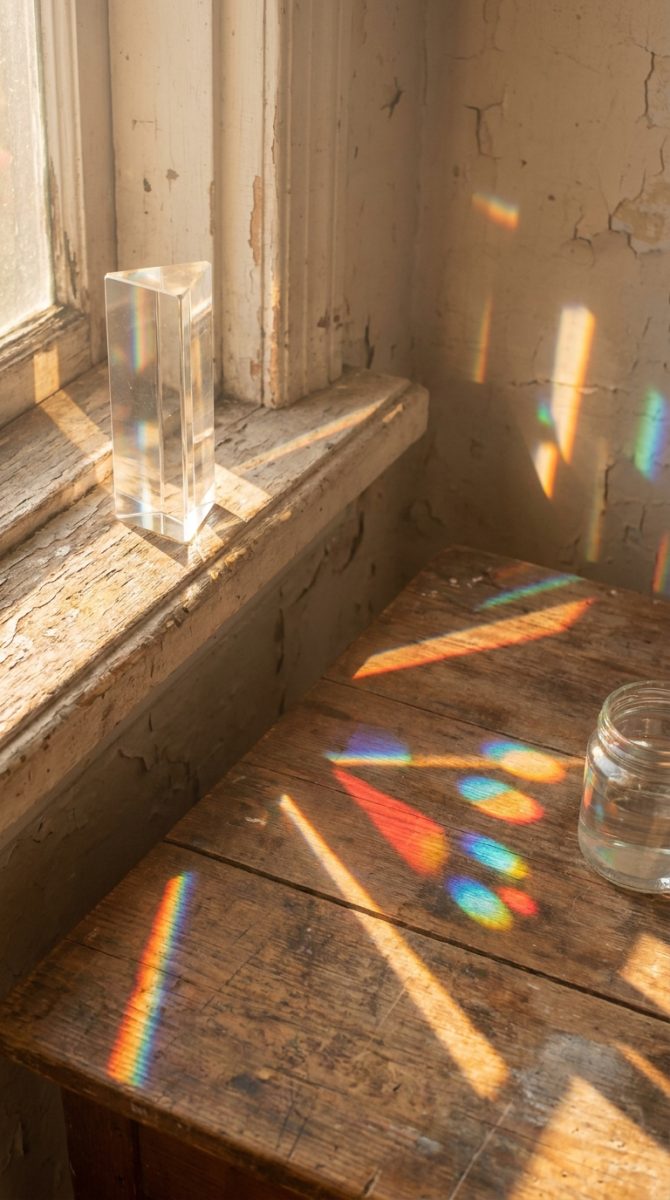
Last updated: April 28, 2026
A forest trail at dusk. The trees are amber and copper, backlit by the last warm light of an October afternoon. We press the shutter – and we move. Not by accident. Deliberately. Vertically, with a slight rotation of the wrist. For one full second, the world blurs into something else entirely: cascading gold and rust, vertical streaks that look less like trees and more like a Gerhard Richter painting viewed through rain-slicked glass. The image bears no recognisable subject. It asks nothing of the viewer except to feel.
This is Intentional Camera Movement – and it is one of the most liberating abstract photography techniques available to any photographer, on any camera, at any price point.
How Photography Learned to Stop Explaining Itself
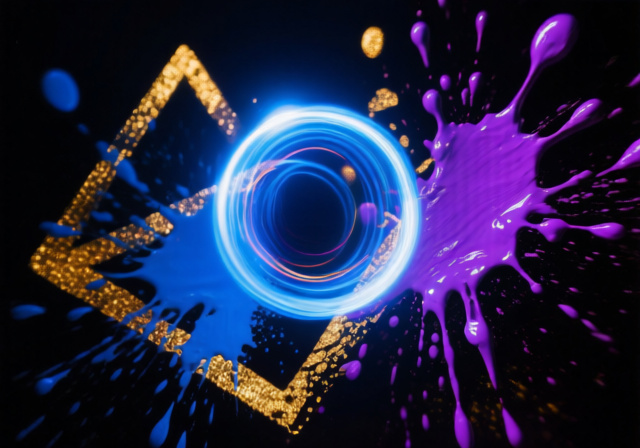
Image: Revell Photography
László Moholy-Nagy was experimenting with photograms – cameraless abstractions made by placing objects directly on light-sensitive paper – at the Bauhaus in the 1920s. Man Ray called his own versions “Rayographs.” Both were asking the same question that still drives abstract work today: what happens when an image stops trying to represent something and starts trying to feel like something instead?
The answer is that the medium opens up entirely. Abstract photography emphasises visual elements – colour, pattern, texture, shape, line, and form – over recognisable subjects. It deliberately avoids clear representation, inviting viewers to bring their own meaning to the frame. A single image might read as colourful streaks to one person and dancing auroras to another, or trigger a childhood memory that neither photographer nor viewer could have predicted.
For decades, photography was evaluated on its fidelity to reality: sharp focus, correct exposure, identifiable subject. Abstract work sat in galleries, treated as exceptional rather than accessible. That has shifted. Smartphones with manual shutter controls, serious editing apps, and a broader cultural appetite for visual experimentation have made abstract work genuinely democratic. Vision and technique matter far more than gear.
Abstract Photography Techniques Worth Learning First
Intentional Camera Movement
Start here. ICM uses shutter speeds between 1/15 and 1 second – slow enough that deliberate camera motion during exposure creates painterly, flowing effects. The key word is deliberate. Common beginner mistakes include moving the camera too quickly or too erratically; smooth, fluid motion produces better results. Vertical panning combined with a slight wrist rotation yields particularly dynamic outcomes.
Ideal subjects include dense forests with dappled light (that amber trail we opened with), coastal scenes where horizontal movement blurs waves into silk, city lights during blue hour when artificial colour bleeds into luminous trails, and autumn foliage where strong contrasts survive the motion and emerge as vibrant streaks. Set your camera to shutter priority, dial in ISO 100 to keep noise minimal, and use an ND filter in bright conditions to force longer exposures without overexposing.
On a smartphone, use Pro or Manual mode to set a slow shutter speed, brace your elbows against your body for controlled movement, and shoot twenty frames. Expect most to feel wrong. A handful will feel right in a way you cannot quite explain – that is the work.
Macro and Extreme Close-Up
Abstract photography reveals details the human eye typically overlooks. Get close enough to a dried flower head, a section of weathered timber, or the surface of a soap bubble and recognisable form dissolves into texture and geometry. A macro lens opens this territory on a DSLR or mirrorless body; on a smartphone, a clip-on macro adapter achieves the same.
The goal is not to document the object. It is to find within it a composition of shape and tone that stands alone. Scouting texture-rich environments – lichen-covered stone, rusted metal, water-beaded leaves – gives you an almost inexhaustible supply of abstract material if you train yourself to look at surfaces rather than scenes.
Light Painting
In a darkened room or outdoor environment at night, a single moving light source becomes a drawing tool. Set a 10-30 second exposure, open the shutter, and move a torch, LED strip, or sparkler through the frame. The camera records the path of the light; the photographer disappears. The results are closest to pure line drawing – something printmakers and draughtsmen have always understood that photographers are only beginning to fully claim.
Reflections and Distortion
Water surfaces, mirrors, chrome objects, and the curved glass of a phone screen can each fragment a scene into something unrecognisable and more interesting than the original. The key compositional move is to point slightly away from the reflection’s source, so no anchoring context survives in frame. What remains is colour and form without explanation.
Colour Abstraction in Editing
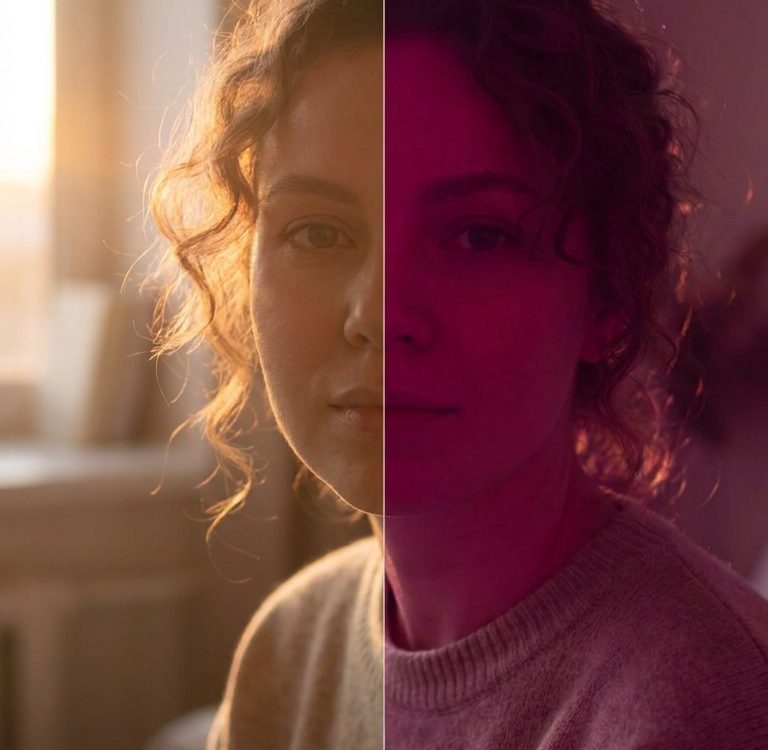
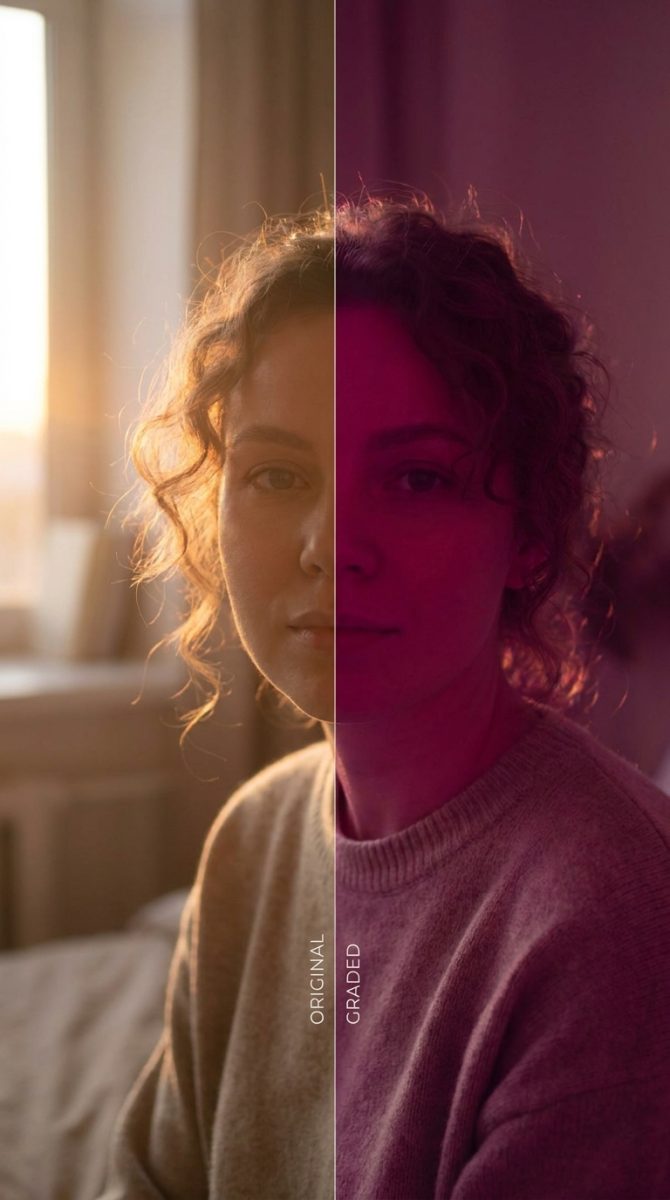
Not every abstract technique happens in camera. Selective colour grading – pushing hue and saturation in specific tonal ranges, shifting highlights toward magenta or teal, crushing shadows to pure black – can transform a photograph with a recognisable subject into something that reads as pure colour field. This approach borrows directly from colour field painting: Mark Rothko, Helen Frankenthaler, Ellsworth Kelly.
Lightroom’s HSL panel, Capture One’s colour editor, or the free Snapseed app all give enough control to pursue this seriously. If you are also exploring AI-assisted image generation tools as part of your creative practice, abstract colour work will sharpen your ability to direct visual prompts with greater specificity and confidence.
What Abstraction Teaches Every Other Genre You Shoot
Learning abstract techniques strengthens overall photography skills in ways that transfer directly. Composition becomes more instinctive when you have spent time working with pure line and negative space. Light awareness sharpens when your practice has required you to read light not for its ability to reveal a face or a landscape, but for its intrinsic visual weight and direction. Colour balance, visual rhythm, tension between sharp and soft areas – these are the building blocks of all strong images, regardless of subject.
This is also why abstract work belongs in commercial and product photography practice. A product shooter who understands how to abstract texture and surface detail can add contextual frames to a shot list that sell atmosphere as effectively as a straight product image – often more so.
The ambiguity in abstract images is not a limitation. It is the medium’s central strength. An image that asks the viewer to complete its meaning creates a relationship that purely documentary photography rarely achieves.
Return to that forest trail. The exposure ends. We look at the back of the camera at the streaked amber frame – and the subject we pointed the camera at is already irrelevant. What we have instead is a record of movement, light, and intention. Abstract photography does not misrepresent the world. It represents our relationship to it: partial, sensory, shaped by what we choose to emphasise and what we allow to blur. That is not a failure of precision. It is a different kind of truth.
Frequently Asked Questions
Q: Do I need specialist equipment to explore abstract photography techniques?
A: No. Abstract photography techniques work with any camera from smartphones to full-frame systems. Vision and intentionality matter far more than gear – a smartphone in manual mode is entirely capable of producing ICM, macro, and light painting images.
Q: What shutter speed should I use for Intentional Camera Movement?
A: ICM works best with shutter speeds between 1/15 and 1 second. This range is slow enough to record camera motion as meaningful blur while remaining short enough to control. Use a neutral density filter in bright conditions to achieve these slower speeds without overexposing.
Q: What subjects work best for abstract photography?
A: Strong colour contrasts, linear elements, and interesting textures respond best to abstract approaches. Dense forests, coastal scenes, city lights at blue hour, weathered surfaces, and extreme close-ups of natural detail are all excellent starting points.
Q: Will practising abstract photography improve my other photography work?
A: Yes, directly. Composition, light awareness, and colour balance developed through abstract work transfer to every other genre. Photographers who practise abstraction typically develop stronger instincts for visual rhythm and tonal relationships across all their images.
Q: How do I make ICM feel intentional rather than accidentally blurry?
A: Use smooth, fluid camera movements – vertical panning or vertical motion combined with a slight wrist rotation produces more coherent results than fast or erratic movement. Shoot multiple frames and select for images where the motion has created a readable visual rhythm rather than uniform blur.
Source: https://revellphotography.com/abstract-photography-ideas/
This article was researched and written with AI assistance, then reviewed for accuracy and quality. Talulah Menser uses AI tools to help produce content faster while maintaining editorial standards.